2026 How to Choose Mica Insulated Band Heater for Your Needs?
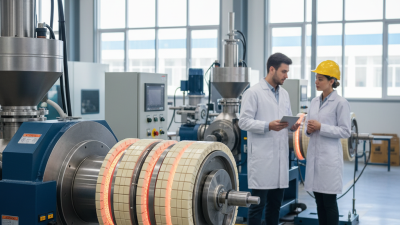
Choosing the right Mica Insulated Band Heater is crucial for efficient heating applications. These heaters are known for their durability and effectiveness. Their design is tailored for various industrial uses, making them a popular choice. However, the selection process can be overwhelming.
Consider the specific needs of your application. Different materials and sizes cater to distinct requirements. Mica Insulated Band Heaters come in various configurations. Assessing your heat requirements is vital. Overheating can lead to equipment damage, while insufficient heat affects performance.
Experience plays a key role in making the right choice. Many find it challenging to select a heater. It’s important to consult experts or reliable resources. Not all heaters are created equal. A poor choice can lead to inefficiency and increased costs. Evaluate your options carefully. Take time to understand the specifications. Making an informed decision can enhance productivity and reduce wastage.
Understanding Mica Insulated Band Heaters: Key Features and Benefits
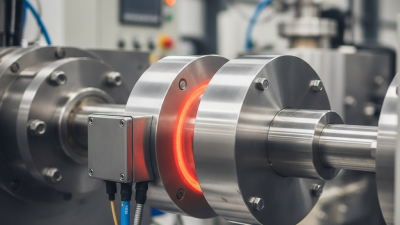
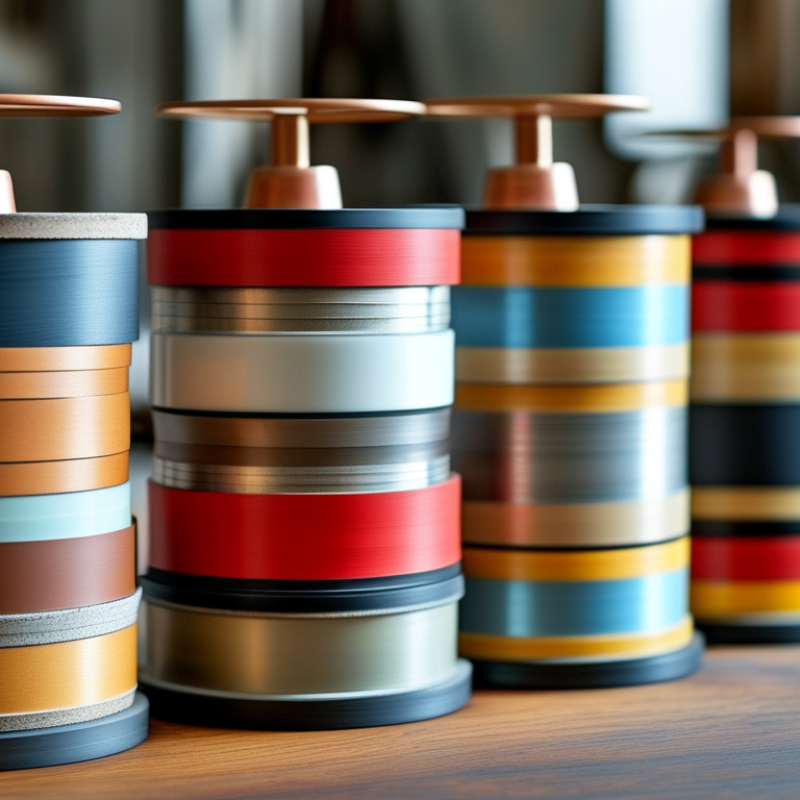
Mica insulated band heaters are crucial for various industrial applications. They are designed for high-temperature environments, making them ideal for heating cylindrical objects. These heaters excel in efficiency and durability, which is vital for manufacturing processes that require consistent heat.
One key feature of mica insulated band heaters is their quick heating capability. They can reach operating temperatures within minutes. This rapid response saves time and energy in production workflows. The mica insulation offers high thermal conductivity, ensuring even heat distribution. This reduces the risk of overheating and equipment damage.
Choosing the right mica insulated band heater requires careful consideration. Pay attention to size, watt density, and voltage rating. Oversizing or undersizing can lead to inefficient heating and higher operational costs. Reflect on your specific requirements. This will guide you in selecting the optimal heater for your application. A thoughtful approach can significantly enhance productivity and minimize troubleshooting in the long run.
2026 How to Choose Mica Insulated Band Heater for Your Needs?
| Feature |
Description |
Benefits |
| Material |
Mica-insulated materials provide excellent heat resistance and durability. |
Increased lifespan and reliability in high-temperature applications. |
| Power Rating |
Available in various wattage options for different heating requirements. |
Enhanced efficiency and tailored heating for specific processes. |
| Size & Fit |
Customizable sizes to fit different applications and equipment. |
Optimized heating for unique shapes and sizes of components. |
| Temperature Control |
Compatible with various temperature control systems. |
Improved precision in maintaining desired temperatures. |
| Installation |
Easy to install with minimal tools required. |
Faster setup reduces downtime during equipment installation. |
| Maintenance |
Low maintenance needs while ensuring consistent performance. |
Cost-effective and hassle-free operation over time. |
Assessing Your Heating Requirements: Size, Temperature, and Wattage
When selecting a mica insulated band heater, understanding your heating requirements is paramount. Size plays a crucial role. Measure the surface of the object to be heated precisely. An undersized heater may struggle to maintain the necessary temperature, leading to inefficiency. Conversely, an oversized heater can waste energy and may even damage the part being heated.
Temperature is another critical factor. Determine the maximum temperature your application requires. Mica heaters can achieve high temperatures, but exceeding specifications could shorten their lifespan. If your process involves significant fluctuations in temperature, consider investing in a heater with better temperature regulation. Wattage directly influences the heating speed and efficiency. A higher wattage typically means faster heating, which can increase production rates. However, it’s essential to balance wattage with energy consumption.
Evaluate your specific needs carefully. Each application might have unique requirements that affect the performance of the heater. Sometimes, compromise is necessary. Decreasing wattage for better energy efficiency may slow down the heating process. Reflect on the trade-offs to make an informed decision. Consider where adjustments can be made without sacrificing the heating performance you require.
Material Considerations: Choosing the Right Type of Mica Insulation
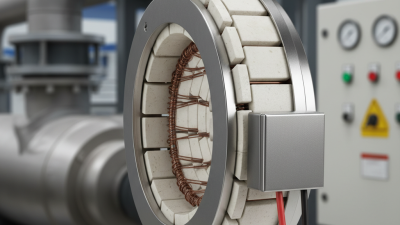
When selecting mica insulated band heaters, material choices are crucial. Mica insulation stands out due to its excellent thermal stability and electrical resistance. It can withstand high temperatures, making it suitable for various industrial applications. Consider the thickness of mica insulation, as thicker mica often leads to better thermal efficiency.
Another key factor is the type of mica used. Natural mica generally offers better performance, while synthetic mica can be more cost-effective. Each option has its benefits and downsides. Familiarizing yourself with these materials will lead to better decisions. Think about the heating element's compatibility with the mica insulation type.
Evaluate your specific applications. Will the band heater be used in a continuous process, or will it require quick temperature adjustments? The answer can influence your material choice. Reflecting on your unique requirements can guide you toward the right heater. Balancing material properties with your operational needs is essential for optimal performance.
Installation and Maintenance: Ensuring Optimal Performance of Band Heaters
Proper installation and maintenance of mica insulated band heaters can make a significant difference in their performance. When installing, ensure you follow the manufacturer's guidelines closely. This includes checking the voltage and insulation resistance. A faulty installation can lead to inefficiency or even equipment failure. Regular inspection is vital. Look for signs of wear or damage on the heater surface and connections. Effective mounting plays a critical role in heat transfer efficiency. If the band isn't snug against the surface, hot spots may develop, leading to uneven heating.
Maintaining your band heaters involves routine cleaning and monitoring. Dirt and contaminants can interfere with performance. So, regular cleaning is essential. Use appropriate cleaning agents that are safe for the materials used in the heater. Also, periodic testing of the electrical connections can prevent unexpected downtime. If you notice fluctuations in temperature or irregular performance, it may be time to reevaluate your setup. Trust your observations and investigate potential issues rather than waiting for a breakdown. Considering these details can lead to a more reliable and efficient heating process.
Cost-Effectiveness: Analyzing Price versus Performance for Your Application
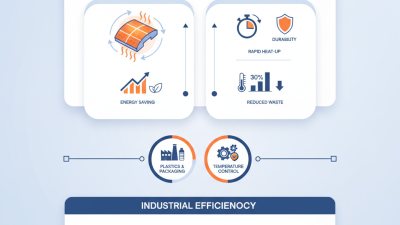
When selecting a mica insulated band heater, understanding cost-effectiveness is crucial. Recent industry reports indicate that performance correlates closely with pricing. A heater's initial cost may seem appealing, but operational efficiency and lifespan greatly influence long-term expenses. For example, a heater with a lower upfront cost might consume more energy or require frequent replacements. This can lead to higher overall costs, undermining short-term savings.
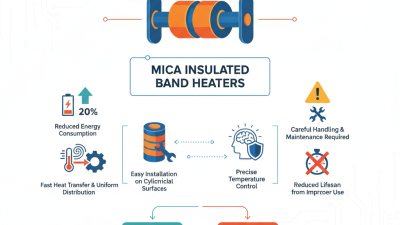
Data shows that efficient mica insulated heaters can reduce energy consumption by up to 20%. While they might have a higher initial price, their longevity and efficiency make them more economical in the long run. It's essential to analyze your specific application needs. Factors like operating temperatures and daily usage play a critical role in performance assessment. A heater that operates efficiently within your requirements can save significant costs over time.
Not all mica band heaters are created equal. Variability in materials and construction can affect both performance and durability. Investing time to research options can be beneficial. Understanding specifications, conducting comparisons, and consulting with industry experts might bring clarity. This reflection can lead to improved purchasing decisions. Long-term, this proactive approach can enhance productivity and financial outcomes.
2026 Mica Insulated Band Heater Cost-Effectiveness Analysis