How to Choose Heating Cables at the 139th Canton Fair?
Choosing the right Heating Cables at the 139th Canton Fair is crucial for your project’s success. As this leading trade show takes place in April and May 2026, it showcases a vast array of advanced manufacturing and new materials. With over 1.55 million square meters of exhibition space, navigating through various booths can be overwhelming.
Manufacturers will display different types of Heating Cables designed for diverse applications. Buyers should carefully evaluate the specifications, such as insulation material and power output. It's vital to ask questions about certifications like ISO and CE, ensuring product quality and safety. Many exhibitors may provide detailed product examples, making it easier for buyers to understand performance in real-world scenarios.
Using the new AI smart search feature can help you find reputable suppliers quickly. This technology streamlines the procurement process, offering a more efficient way to connect with manufacturers. Adjustments may be necessary during your product selection to align with specific needs. Engaging directly with suppliers can reveal insights that aren’t available in product catalogs.
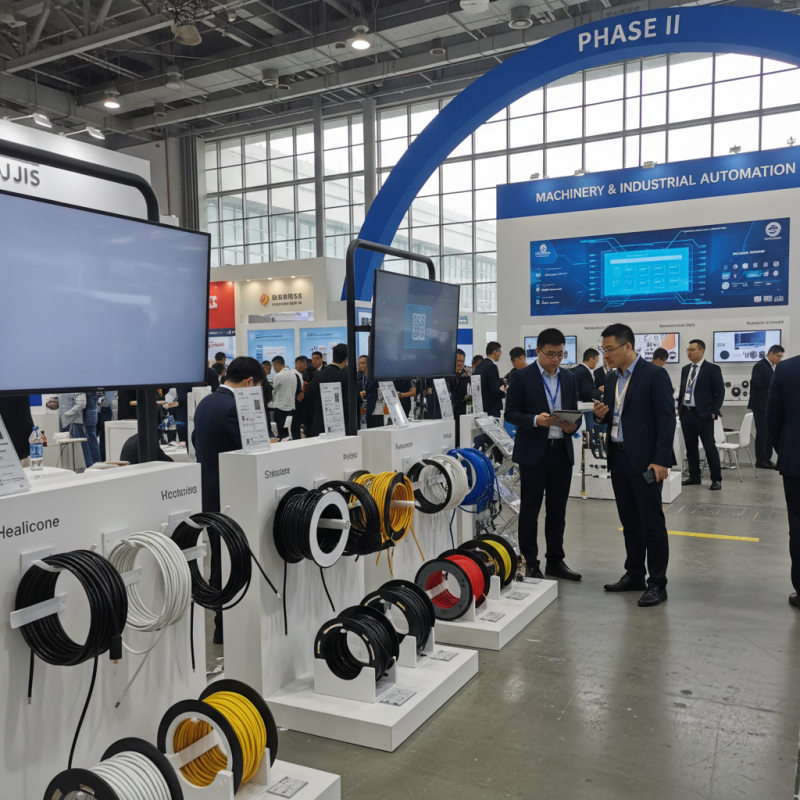
Understanding the Basics of Heating Cables and Their Applications
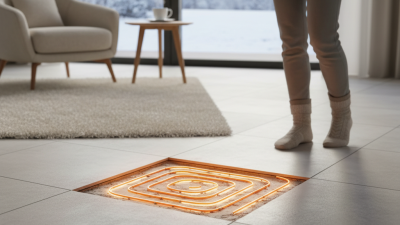
Heating cables are essential in various applications. They provide consistent warmth in spaces. They are often used for floor heating, snow melting, and pipe freeze prevention. These cables can be installed under floors or on roofs. They ensure safety and comfort during cold weather.
When selecting heating cables, consider material and power output. Not all cables have the same durability. Certain materials might not withstand harsh conditions well. It is important to think about where the cables will be used. Would they be exposed to moisture? Will they be in high-traffic areas? These questions matter.
Installation method also impacts performance. Some cables require professional installation, while others are DIY-friendly. Improper installation may lead to inefficiency. Understanding energy consumption is crucial. Heating cables may consume a lot of electricity. Evaluate long-term costs versus upfront expenses. Sometimes, cheaper options can lead to bigger issues later.
Heating Cable Applications by Industry
Evaluating Different Types of Heating Cables Available at Canton Fair
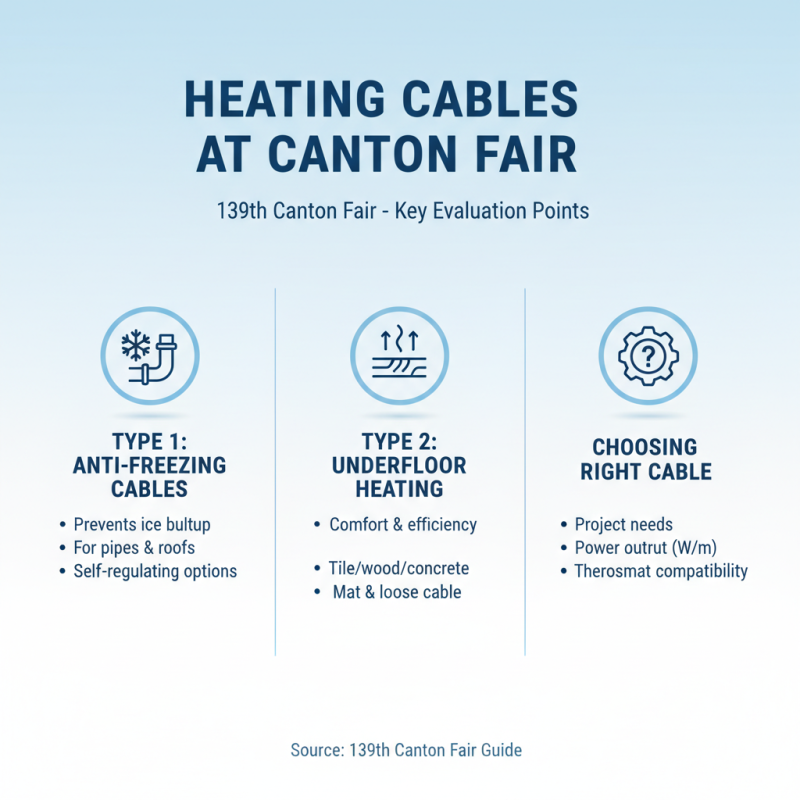
When attending the 139th Canton Fair, evaluating heating cables is crucial. Many types are available, each designed for various applications. Some cables are ideal for underfloor heating, while others serve anti-freezing purposes. Understanding the specific needs of your project will guide your selection.
Look for features like power output and length. Different environments require different specifications. Make notes on the cables that catch your eye. Some may promise efficiency but lack durability. Ask the exhibitors how these cables respond to extreme conditions. It’s essential to verify their claims and see past marketing rhetoric.
Another aspect to consider is installation ease. Certain cables might require professional installation, while others can be DIY-friendly. Gauge your skill level before making a choice. A complex setup might lead to future headaches. Walk the aisles, compare options, and engage with vendors. Take your time to weigh the pros and cons. Remember, the right heating cable can make a significant difference in your project's success.
Key Factors to Consider When Choosing Heating Cables
Choosing the right heating cables can significantly impact efficiency and safety. At the 139th Canton Fair, buyers must consider several key factors.
Start with the cable type. Different types serve specific heating applications. Resistive cables are great for general uses, while self-regulating cables offer more flexibility.
Next, check the insulation material. High-quality insulation extends the cable’s lifespan. It prevents damage from moisture and mechanical stress.
The power output is another critical aspect. Ensure the cables provide sufficient wattage for your intended space.
Think about the installation environment too. If the installation area is harsh, you might need more robust options.
Don't overlook the certification and safety standards. They vary by region and ensure the product meets safety guidelines.
Cost is an essential factor but shouldn’t be the only consideration. Sometimes, cheaper options lead to costly repairs later. Reflect on your long-term needs, and invest wisely.
Comparing Pricing and Quality of Heating Cables at the Fair
Navigating the 139th Canton Fair can be overwhelming, especially when comparing heating cables. The diversity of products and vendors makes it crucial to evaluate both pricing and quality. Recent industry reports show that prices for heating cables can vary significantly, ranging from $2.50 to $10 per meter, depending on quality and features. Ensuring you know the price range is vital for making informed choices.
Quality is just as important as pricing. Many reports indicate that cheaper cables may not meet safety standards. For example, cables made from lower-grade materials can overheat, compromising safety. Understanding the technical specifications is key. Look for cables with a minimum power output of 10 W/m for efficient heating. Additionally, thoroughly inspect insulation levels and protection ratings. Not all vendors provide transparent information, and some cheap options might lead to regret.
Another aspect is the warranty and support. Many higher-priced cables come with extended warranties. This can be a sign of confidence in the product's longevity. However, some manufacturers lack proper customer service, leaving buyers stranded after purchase. It is essential to weigh these factors carefully. Not every stall will offer reliable information, and some may oversell their products. Keeping an eye out for reputable sellers can save time and trouble.
How to Choose Heating Cables at the 139th Canton Fair? - Comparing Pricing and Quality of Heating Cables at the Fair
| Cable Type |
Voltage (V) |
Wattage (W/m) |
Price (USD) |
Material |
Warranty (Years) |
| Self-Regulating |
230 |
20 |
2.50 |
Polymer |
5 |
| Constant Wattage |
120 |
15 |
3.00 |
Copper |
3 |
| Mineral Insulated |
400 |
25 |
8.00 |
Steel |
10 |
| Foil Shielded |
220 |
18 |
4.00 |
Aluminum |
4 |
Networking with Suppliers and Experts for Informed Decisions
Attending the 139th Canton Fair offers a unique opportunity to network with suppliers and experts in the heating cable industry. Engaging in face-to-face conversations can lead to informed purchasing decisions. Many industry reports indicate that effective networking can increase knowledge of market trends by up to 30%. This is essential for making informed investments.
During the fair, prioritize meeting with experienced professionals. Their insights on product specifications, installation practices, and emerging technologies can be invaluable. A recent survey revealed that 65% of buyers felt more confident after discussing technical details directly with suppliers. Consider questions about energy efficiency or regulatory compliance. These are important aspects many overlook.
Real-world applications of heating cables may differ from marketing materials. It's not uncommon for buyers to discover discrepancies during installation. Networking allows for critical discussions about these experiences. Engage in conversations about past projects, focusing on challenges faced. This approach can uncover practical solutions and avoid potential pitfalls. Understanding the human side of these products can foster better purchasing decisions.