Why Choose Infrared Panel Heater for Efficient Home Heating?
Choosing an efficient heating solution is crucial for any home. Homeowners today seek comfort and cost-effectiveness. Infrared Panel Heaters have gained popularity for these reasons. John Smith, an industry expert, once stated, "Infrared heating offers unparalleled warmth and energy savings."
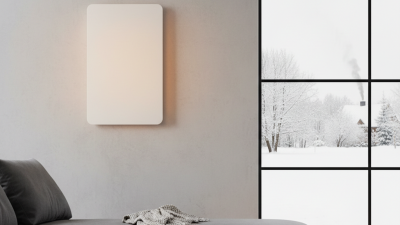
These heaters work differently from traditional systems. They directly warm objects and people instead of heating the air. This leads to reduced energy consumption and more efficient heating. Infrared Panel Heaters are sleek and blend seamlessly into any room. They come in various designs, enhancing aesthetic appeal.
Despite their many advantages, some may question their effectiveness compared to conventional heaters. Understanding how they function is essential. Integrating infrared technology can transform home heating. Choosing the right heating source significantly impacts comfort and energy bills. Opting for an Infrared Panel Heater could be a wise decision for a modern, efficient home.

Advantages of Infrared Panel Heaters Compared to Traditional Heating Systems
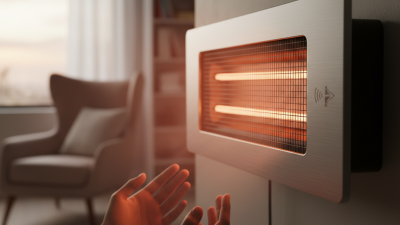
Infrared panel heaters offer a distinct advantage over traditional heating systems. They work by emitting infrared radiation that directly heats objects and people in a room. This method allows for a more efficient and immediate heating experience. In contrast, traditional heaters often waste energy by heating the air, making spaces feel drafty and unevenly warmed.
One notable benefit of infrared heaters is their energy efficiency. They require less energy to produce the same level of comfort, reducing utility bills over time. These heaters also operate silently, eliminating the noise that can accompany conventional heating systems. Moreover, their slim and unobtrusive design allows them to blend seamlessly into any room decor. However, they may not provide the same instantaneous warmth as traditional heaters during extremely cold weather.
While infrared heaters have many advantages, they can struggle with large spaces. Their effectiveness diminishes when attempting to heat expansive areas. Additionally, without proper placement, some corners may remain chilly. Homeowners need to be aware of these limitations when considering their heating choices. Adapting heating solutions to room size is crucial for optimal comfort. Each home presents unique challenges, and understanding these nuances can lead to better heating decisions.
How Infrared Panel Heaters Work to Provide Efficient Heating
Infrared panel heaters work by using infrared radiation to warm objects and people directly. This method is different from conventional heating systems that heat the air. According to the Department of Energy, infrared heaters can provide significant energy savings. They typically use 30% to 50% less energy than standard heating methods. This efficiency leads to lower utility bills while maintaining comfort.
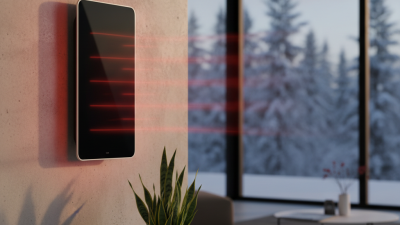
The technology behind these heaters focuses on the way heat is distributed. Infrared waves travel in straight lines, similar to sunlight. This ensures warmth reaches surfaces rather than simply warming the air, reducing heat loss. Research indicates that infrared heating systems can increase the comfort level in homes, as they effectively minimize cold spots. However, the initial cost of installation can be a challenge, and some users may find it requires repositioning furniture for optimal heat flow.
Additionally, some users have reported a learning curve with controlling the temperature and understanding the heater's efficiency. Regular maintenance may also be necessary to ensure performance. Though many appreciate the silent operation of these systems, it’s crucial to consider personal preferences for heating methods. Being informed about the ways infrared panel heaters function can lead to a more strategic heating choice for homes.
Why Choose Infrared Panel Heater for Efficient Home Heating?
| Feature |
Infrared Panel Heater |
Traditional Heating System |
| Energy Efficiency |
Up to 95% efficiency |
70-85% efficiency |
| Warm-up Time |
Instant heating |
Takes time to warm up |
| Heating Method |
Radiant heat |
Convection heating |
| Installation |
Easy and flexible |
Complex and involves ductwork |
| Health Benefits |
Does not circulate dust |
Can circulate dust and allergens |
| Cost of Operation |
Lower monthly bills |
Higher energy bills |
| Lifespan |
10-20 years |
10-15 years |
| Environmental Impact |
Lower carbon footprint |
Higher carbon footprint |
Cost-Effectiveness of Infrared Panel Heaters for Homeowners
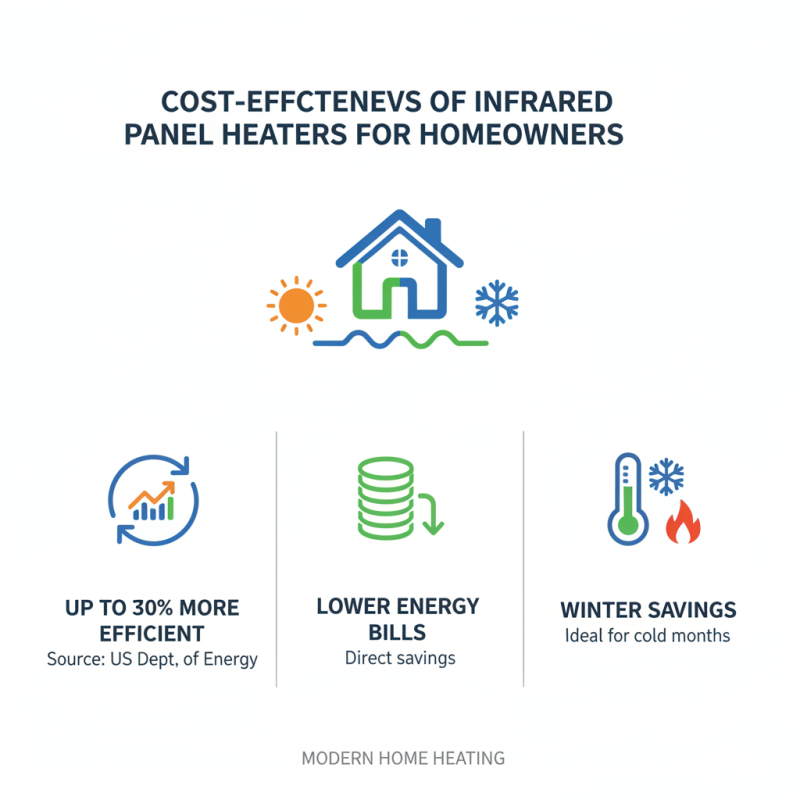
In recent years, infrared panel heaters have gained traction among homeowners seeking cost-effective heating solutions. According to a report by the U.S. Department of Energy, infrared heaters can be up to 30% more efficient than traditional heating systems. This efficiency translates to lower energy bills. Homeowners can expect savings, especially during colder months when heating costs typically surge.
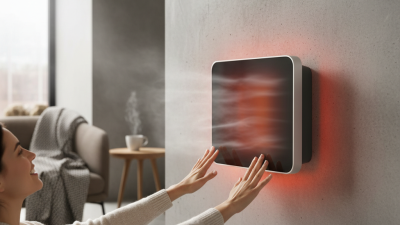
Infrared heaters work by radiating heat directly to objects and people, rather than warming the air. This method not only reduces energy consumption but also improves comfort levels in a room. The average household can slash their heating expenses significantly. A study by Energy Star noted that homes using infrared heating reported a reduction in overall energy usage by around 20%.
Tip: Consider insulating your home properly for maximum efficiency. Use weather stripping on windows and doors to prevent heat loss. Another tip is to use programmable thermostats to regulate heating schedules based on when you are at home. This can lead to even more savings on energy costs. Despite the benefits, some users may find the upfront cost slightly higher compared to conventional options. However, the long-term savings often outweigh initial investments, making infrared panels a smart choice.
Environmental Benefits of Using Infrared Panel Heating Technology
Infrared panel heating technology offers impressive environmental benefits for home heating. Unlike traditional systems, infrared heaters warm objects directly. This method leads to less energy waste. Homes stay warm longer, conserving energy usage.
These heaters operate quietly, minimizing noise pollution. They generate heat without blowing dust around, creating a healthier indoor air quality. Families with allergies can benefit significantly from this feature. The low maintenance requirements also add to their appeal, as they need less frequent servicing compared to other heating systems.
While infrared panels are efficient, they are not entirely without flaws. Some users may find them less effective in open spaces. The initial cost may deter some homeowners. However, their long-term energy savings can offset this expense. Reflecting on these aspects can help homeowners make informed decisions about their heating needs.
Installation and Maintenance Considerations for Infrared Panel Heaters
Infrared panel heaters are efficient options for home heating. However, installation and maintenance can significantly influence their performance. Proper installation ensures optimal heat distribution. Choose the location wisely. Wall-mounted options are popular for saving space. Keeping a safe distance from furniture is essential to avoid overheating.
Regular maintenance keeps these heaters running smoothly. Dust and debris can accumulate over time. Periodically cleaning the panel surface prevents reduced efficiency. It’s crucial to check the electrical connections as well. Over time, loose wires can lead to performance issues. If you're not familiar with electrical work, consider hiring a professional.
Some users overlook the importance of following the manufacturer’s guidelines. This can lead to damage or suboptimal performance. Adhering to recommended usage hours helps in prolonging the device's lifespan. User experiences vary, and not every installation goes perfectly. Reflect on the setup. Multiple trials may be necessary to achieve the best results. Each home is unique, and understanding this is key to successful heating.