2026 How to Choose Duraband Nozzle Band Heater Effectively?
Choosing the right Duraband Nozzle Band Heater is crucial in many industries. Mark Johnson, an expert in thermal management solutions, states, "Understanding your heating needs is the first step." This highlights the importance of analyzing specific requirements before making a selection.
Different applications demand different specifications. For instance, consider the required temperature range and the nozzle size. These details greatly impact efficiency and effectiveness. Additionally, material compatibility is vital. Using the wrong heater can lead to product failure.
Many face challenges when choosing a heater. There’s often confusion about wattage and design type. Some options may appear attractive but may not suit all environments. Reflecting on past experiences, one might realize that careful consideration leads to better outcomes. The right Duraband Nozzle Band Heater can enhance performance and reliability significantly.
Understanding Duraband Nozzle Band Heaters and Their Applications
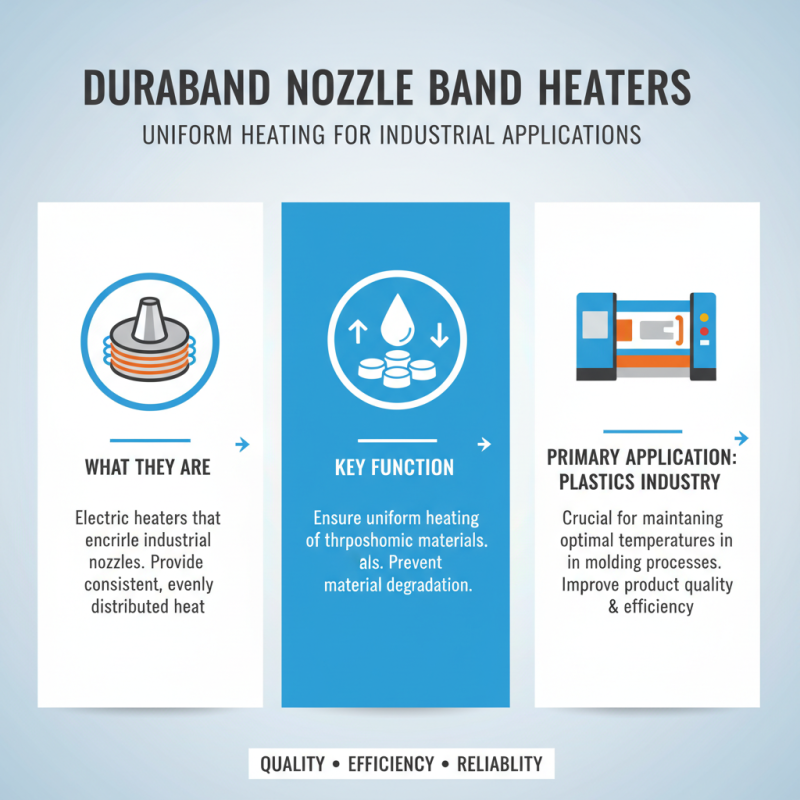
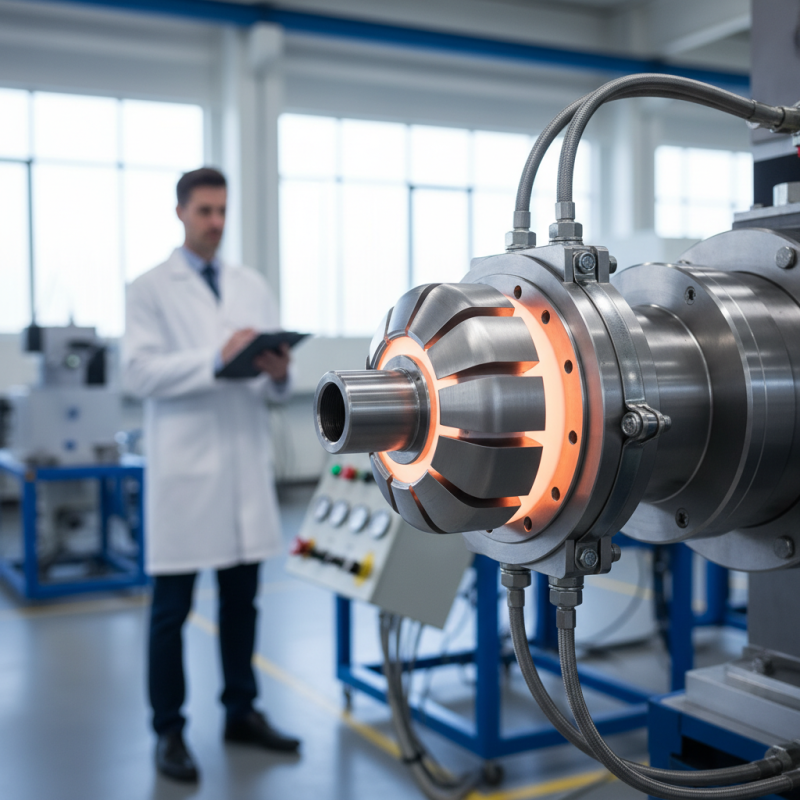
Duraband nozzle band heaters are essential in various industrial applications. They provide uniform heating for thermoplastic materials, ensuring quality and efficiency. In the plastics industry, these heaters are crucial for maintaining the right temperatures. Reports show that improper heating can lead to material degradation, affecting product quality.
Choosing the right nozzle band heater can be daunting. Settings often vary based on application needs. A study indicates that around 60% of companies struggle with heater selection, impacting their performance metrics. Pay attention to the diameter and watt density of the heater. These factors significantly affect heating efficiency.
Tips: Check the heater's compatibility with your material. Sometimes, a perfect fit may not be achievable, leading to inefficiencies. Always consider the voltage required. Miscalculating voltage can result in overheating or inadequate heating. Evaluate the insulation type for safety and performance. Each detail matters in achieving optimal results.
Key Factors to Consider When Selecting Duraband Nozzle Band Heaters
When selecting Duraband nozzle band heaters, several key factors must be considered. One important aspect is size. Measure the nozzle accurately to ensure a snug fit. The heater should distribute heat evenly across the surface. An incorrect size can lead to overheating or inefficiency in heating.
Material choice is another critical factor. Different materials offer varying heat conductivity and durability. Consider the operational environment. High-temperature environments require robust materials. In contrast, less demanding situations might allow for lighter options.
Tips: Always check the watt density. It influences the heater's performance. A higher watt density can lead to faster heating but may risk damaging the nozzle. Regularly inspect the heater during use. Look for signs of wear or degradation. This practice helps maintain optimal performance. Mind the power source compatibility as well.
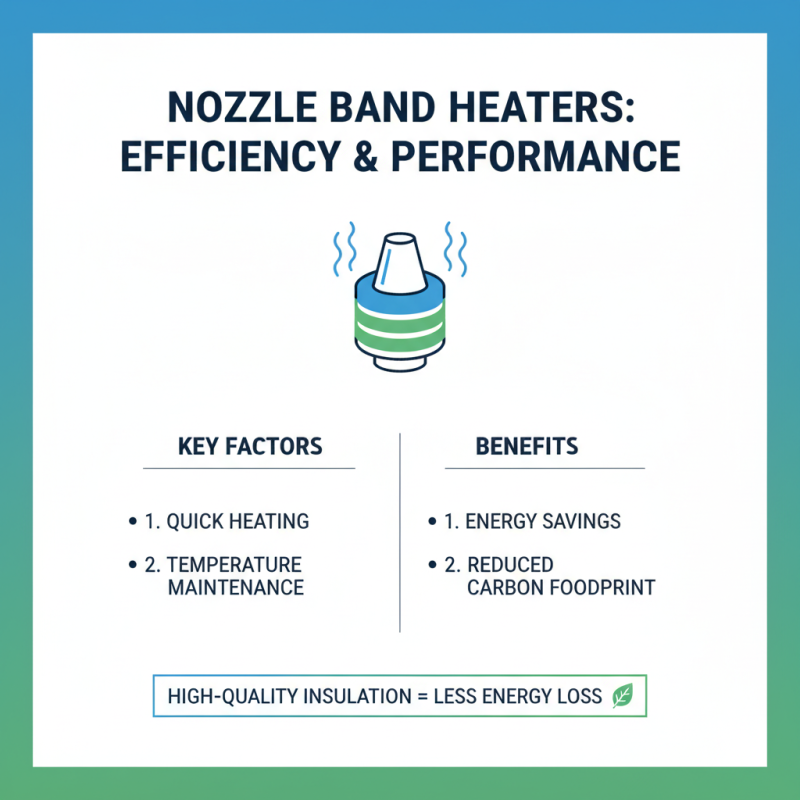
Lastly, don't overlook insulation. Quality insulation improves efficiency and safety. An insulated heater can reduce energy consumption significantly. Pay close attention to these details for effective selection.
2026 How to Choose Duraband Nozzle Band Heater Effectively?
| Factor |
Description |
Importance |
| Temperature Range |
The operating temperature range suitable for your application. |
High |
| Power Rating |
The wattage required to achieve desired heating results. |
Medium |
| Material |
Material of the heater influences durability and heat transfer efficiency. |
High |
| Size and Fit |
Dimensions must match the nozzle specifications for optimal performance. |
High |
| Control Type |
Type of control system used to regulate the heater temperature. |
Medium |
| Voltage |
Ensure compatibility with your power supply for safe operation. |
High |
| Installation |
Ease of installation can affect overall system efficiency. |
Medium |
Comparing Duraband Nozzle Band Heater Specifications and Features
When selecting a nozzle band heater, specifications and features play a crucial role. The watt density is a key specification. Higher watt densities provide faster heating. However, they may lead to uneven heat distribution. It’s essential to find a balance.
Material construction also matters. Some heaters use silicone while others might be made from metal. Silicone offers flexibility and even heat, but can be less durable. Metal provides longevity but may not fit all designs. Understanding the environment in which the heater will be used is important. Temperature ranges and exposure to chemicals can affect performance.
Consider the size and shape of the band heater, too. Measured diameters are critical for fitting. A poor fit can jeopardize efficiency. Check the temperature control features. Programmable settings enable precise temperature management, improving consistency.
Paying attention to these specs can be overwhelming. Yet, taking the time to research and compare can lead to better choices.
Maintaining and Optimizing the Longevity of Duraband Nozzle Band Heaters
Maintaining and optimizing the longevity of your nozzle band heaters is crucial for effective operation. Regular inspection plays a significant role. Check for signs of wear, such as cracks or discoloration. These can signal potential failures.
Tips: Ensure proper installation. A slight misalignment can cause uneven heat distribution. This may lead to hot spots and premature heater failure. Tracking the heater's operating temperature can also help identify issues early.
Routine cleaning also extends heater life. Dirt buildup can hinder performance. Use a soft cloth to keep the surface clean. Be gentle to avoid unintentional damage.
Remember, your surroundings matter. Excessive moisture or dust can shorten heater lifespan. Keep the area dry and clear. Reflect on your maintenance practices. Are they sufficient? Adjust as necessary for optimal performance.