Why Choose Coil Heaters for Your Heating Solutions?
Coil heaters have emerged as a modern solution for various heating applications. Their design allows for efficient heat transfer and flexibility. According to a market research report by MarketsandMarkets, the global coil heater market is projected to reach USD 1.5 billion by 2026, reflecting a compound annual growth rate of over 4%. This growth highlights the increasing adoption of coil heaters in industries like plastics, food processing, and packaging.
One of the significant advantages of coil heaters is their adaptability. They can be customized to fit different shapes and sizes, making them suitable for various devices. Industries often face challenges in maintaining consistent heating levels. Coil heaters tackle this issue by providing uniform heat distribution. However, improper installation can lead to uneven heating. This highlights the importance of expertise when implementing these systems.
Additionally, coil heaters are known for their durability. They can withstand high temperatures and harsh conditions. Nevertheless, choosing low-quality coil heaters may lead to premature failure. Investing in reliable products is crucial for long-term efficiency. By understanding the benefits and potential drawbacks, businesses can make informed decisions in their heating solutions.
Advantages of Coil Heaters in Industrial Applications
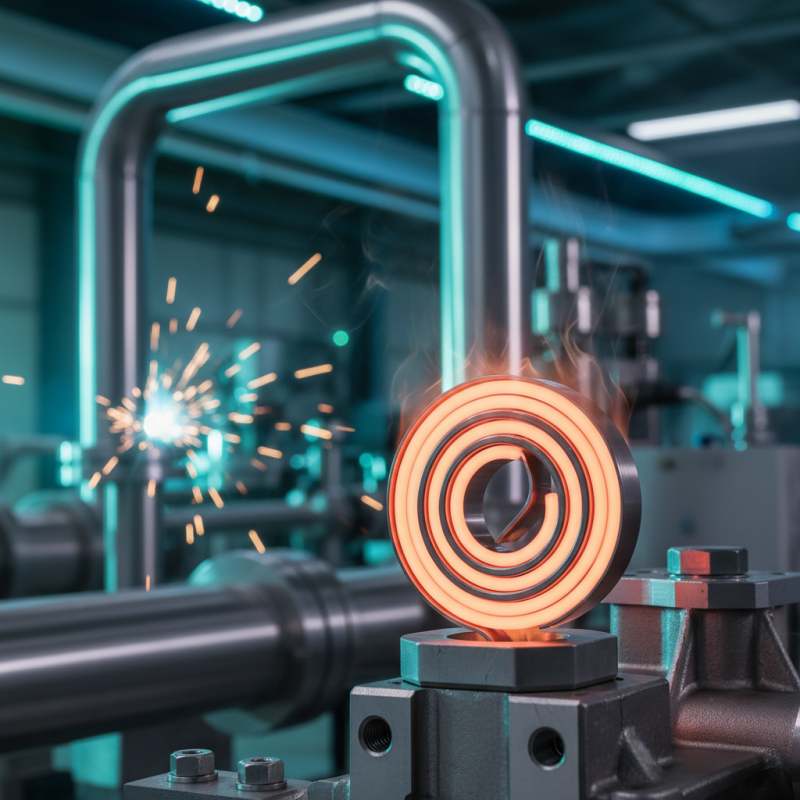
Coil heaters are essential in various industrial processes. Their design allows for high-density heating, making them efficient and effective. The compact size of coil heaters means they can fit into tight spaces, which is often necessary in modern equipment. They distribute heat uniformly, minimizing hot spots that can damage materials.
Another significant advantage of coil heaters is their quick response to temperature changes. In a fast-paced production environment, this speed is crucial. They also offer flexibility in applications, such as temperature control in molds or plates. However, it’s important to consider the installation process carefully. Improper setup can lead to inefficiencies and increased wear.
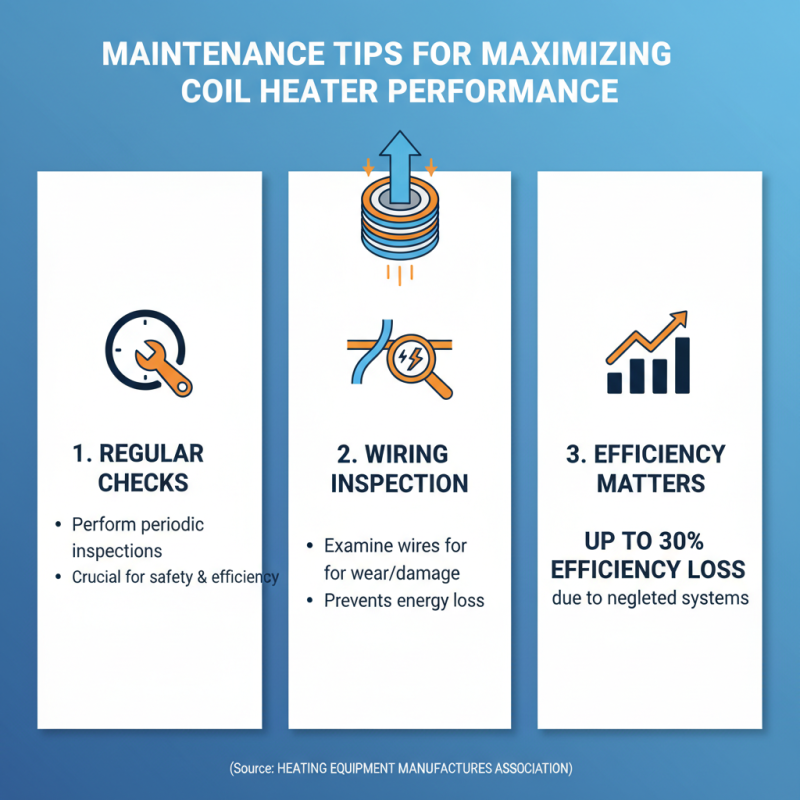
Coil heaters require regular maintenance for optimal performance. A lack of attention may result in energy waste or equipment failure. It’s worth reflecting on how we manage these systems. Continuous evaluation can lead to better reliability and longer life spans. Exploring these aspects can enhance overall productivity in manufacturing settings.
Understanding the Working Principles of Coil Heaters
Coil heaters are efficient and versatile heating solutions. They work by passing electrical current through a coiled wire, generating heat. The design allows for uniform heat distribution across the surface. This efficiency is crucial in applications requiring precise temperature control.
Coil heaters are often used in industries like plastics and packaging. They can be customized to fit various shapes and sizes of equipment. This flexibility helps in reducing energy consumption. Manufacturers appreciate that coil heaters can be designed for specific operational needs. However, the initial installation can be tricky. Ensure proper sizing and placement to avoid uneven heating.
**Tips:** Always consult with experts when selecting coil heaters. Getting the right specifications is vital for your product's performance. Regular maintenance is also essential to ensure longevity. Inspect for any wear or damage over time to prevent interruptions in heating. Consider temperature sensors to monitor performance continually.
Why Choose Coil Heaters for Your Heating Solutions? - Understanding the Working Principles of Coil Heaters
| Feature |
Details |
| Efficiency |
High thermal efficiency with rapid heat-up times. |
| Design Flexibility |
Available in various sizes and configurations to fit specific applications. |
| Durability |
Robust construction capable of withstanding harsh environments. |
| Temperature Range |
Wide temperature range suitable for various industrial applications. |
| Response Time |
Quick response time to control changes in temperature. |
| Cost-effectiveness |
Reduced operating costs through efficient energy use. |
Comparative Analysis of Coil Heaters vs. Other Heating Solutions
Coil heaters offer unique benefits compared to traditional heating solutions. Their design allows for rapid heating, making them highly efficient for various applications. These heaters can be coiled around different materials, ensuring uniform heat distribution. This flexibility is not often found in other types, like cartridge heaters or heat tapes.
Moreover, the compact size of coil heaters saves space. They fit into small areas, ideal for machines with tight specifications. In contrast, other heating solutions can take up more room.
However, users must consider installation complexity. Installing coil heaters might require more technical skill than simpler alternatives.
Yet, coil heaters aren’t flawless. They can be more expensive upfront than standard options. Long-term reliability also depends on their placement and usage conditions. Proper maintenance is key to their lifespan.
Some users report needing adjustments over time, which might be frustrating. Overall, while coil heaters excel in many areas, careful thought is crucial.
Key Factors to Consider When Selecting Coil Heaters
When selecting coil heaters, consider several key factors. The material of the coil is critical. Various materials have different thermal conductivity. Stainless steel is durable, but may not suit all applications. Other options include ceramic and silicone. Each material can affect heating efficiency.
The size and watt density of coil heaters also matter. Larger coils heat more area, but may be slower. A higher watt density heats quickly but can risk overheating. Evaluate the specific needs of your application. Be mindful of how space constraints impact your choice.
Additionally, assess the temperature range required. Some coils operate at very high temperatures, while others cater to lower limits. It's essential to match the coil heater to your process needs. Experiment with mesh configurations for unique applications. However, always gauge your initial tests. Adjust as necessary to perfect your heating solutions.
Why Choose Coil Heaters: Key Factors to Consider
This chart illustrates the relative importance of various factors when selecting coil heaters for heating solutions. Efficiency and durability are top priorities, while cost is considered less critical compared to other factors.