How to Choose the Best Rod Heaters for Your Needs in 2026
Choosing the right Rod Heaters can greatly impact efficiency and performance. In 2026, industry reports predict a rise in demand for advanced heating solutions. The global market for Rod Heaters is expected to grow by 8% annually, reflecting the need for energy-efficient options.
Understanding the specific requirements of your application is vital. For instance, selecting the right wattage is critical for optimal heating. If your unit is underpowered, it can lead to inadequate heating. Conversely, too much power can cause overheating and shorten the equipment's lifespan.
Many manufacturers now offer customized solutions. However, not all options fit every scenario. Some products may have outdated technology, which can hinder performance. It's essential to research thoroughly and consult with experts. This approach ensures you choose Rod Heaters that meet your needs while promoting sustainability. Reflect on efficiency, potential savings, and environmental impact when making your choice.
Understanding the Different Types of Rod Heaters Available in 2026
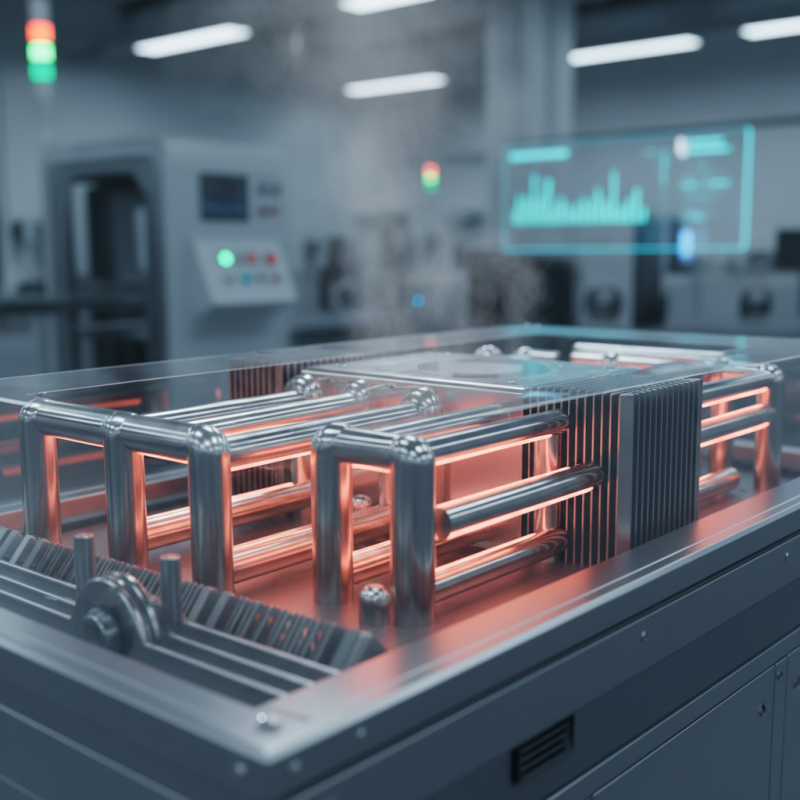
When considering rod heaters in 2026, understanding their types is crucial. There are several available: submersible, circulation, and immersion heaters. Each serves different applications. For example, submersible heaters are often used for heating large water bodies. They provide consistent temperature control, ideal for aquaculture. Data suggests a 15% increase in demand for these heaters due to growing sustainable practices.
Circulation heaters operate well in environments needing constant heating. They circulate fluids to maintain desired temperatures. Industries have reported a need for these in processes like oil heating. Reports indicate circulation heaters have enhanced efficiency by up to 20% in thermal transfer.
Immersion heaters are favored for their versatility. They can be used in various industrial settings. However, some users find them challenging to install. Installation issues can lead to inefficiencies. It is vital to consider these factors when selecting a rod heater. Making informed choices requires understanding both benefits and potential drawbacks.
Key Features to Consider When Selecting Rod Heaters for Your Application
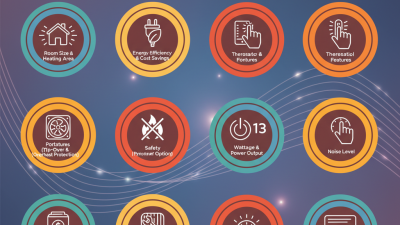
Choosing the right rod heater is crucial for specific applications. Start by assessing the power requirements. Different tasks demand varying heat outputs.
Too much power can overheat materials, leading to damage. Conversely, too little might not achieve the desired effect. It's essential to find that balance.
Consider the construction material as well. Rod heaters can be made from various substances. Each material offers different durability and conductivity levels. For example, metal heaters provide excellent heat transfer. However, they might not last as long in harsh environments. So, think about where your heater will operate.
Temperature control features are another key aspect. Look for models with adjustable settings. Precise control prevents overheating and maintains efficiency. While basic heaters might suffice, advanced options can save energy. Sometimes simpler is better. Reflect on your actual needs rather than the latest features. This could lead to more effective decisions in purchasing rod heaters.
Evaluating Energy Efficiency and Performance of Rod Heaters
Choosing a rod heater is an important task. Energy efficiency is crucial. Many heaters claim to be efficient, but not all deliver. Look for the energy rating. A good rating often indicates better performance.
You might find varying wattage among different models. Higher wattage usually means more heat output. However, it also means higher energy consumption. Consider your needs. Do you require constant heat or just quick bursts? This can affect your choice.
Performance can differ significantly. Some models heat water quickly, while others take time. The temperature consistency is vital too. You want a heater that maintains your desired temperature without much fluctuation. Always read user reviews. They often reveal strengths and weaknesses missed during research. Each choice shapes your experience, and that’s worth reflecting on.
Energy Efficiency Ratings of Rod Heaters in 2026
This bar chart presents the energy efficiency ratings (EF) of various rod heaters anticipated in 2026. Each heater is evaluated based on its performance, with higher ratings indicating better energy efficiency, crucial for consumers looking to minimize their energy consumption.
Comparing Costs: Budgeting for Your Ideal Rod Heater in 2026
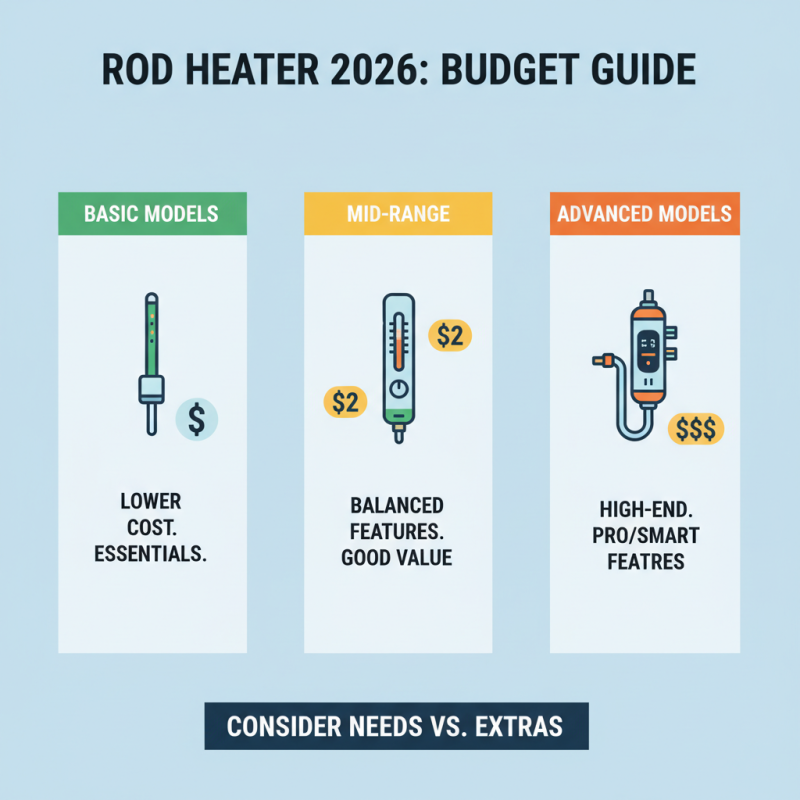
When budgeting for a rod heater in 2026, it’s crucial to consider various factors. The price range can vary significantly. Basic models may start at a lower cost, while advanced features can raise prices. Think carefully about your specific needs versus extras that might not be necessary.
Tips: Consider initial costs as well as energy efficiency. Sometimes, a higher upfront investment saves more in the long run. This is especially true for frequent users. Additionally, think about maintenance costs. Some heaters require more upkeep, which can add to overall expenses.
Don't forget about the installation cost. Some rod heaters are easy to set up, while others might demand professional help. This can increase the total price. It’s often a mixed bag—finding the balance between budget and functionality is key. Reflect on your heating habits to guide your decision-making process.
Maintenance Tips for Maximizing the Lifespan of Your Rod Heater
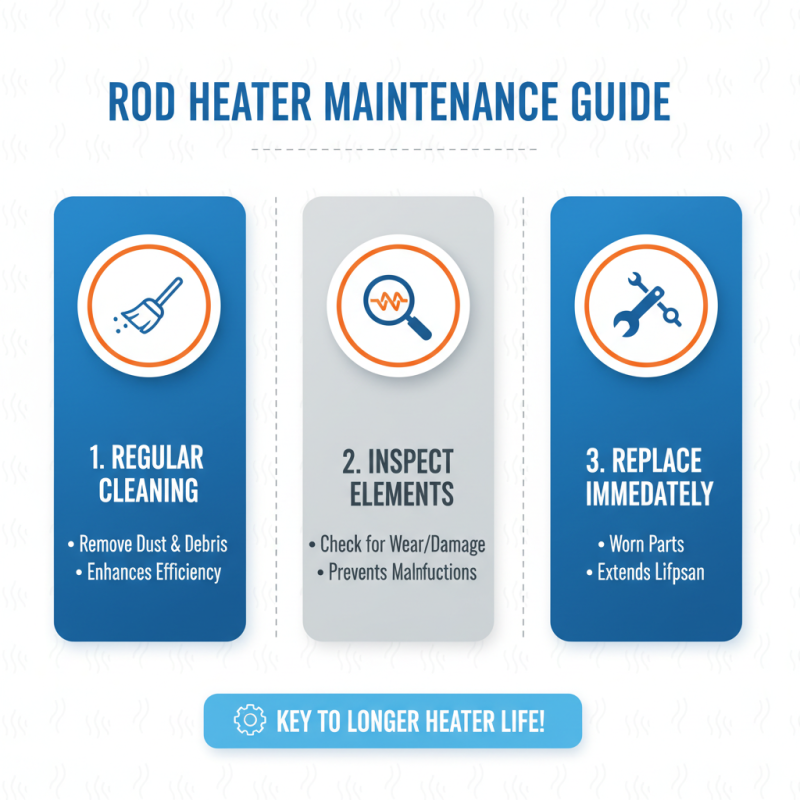
When it comes to rod heaters, proper maintenance can significantly enhance their lifespan. Regular cleaning is crucial. Dust and debris can accumulate, affecting efficiency. Check the heating elements for signs of wear or damage. Replace them immediately to avoid further issues.
Here are some tips to keep your rod heater running smoothly. Monitor the water levels frequently. Low water levels can cause overheating. Ensure connections are secure to prevent electrical faults. A small drip or a loose fitting may lead to bigger problems down the line.
Seasonal checks can help catch issues early. Inspect for leaks, corrosion, and unusual noises. These signs may indicate deeper problems. Remember, neglecting small issues often leads to costly repairs. Regular maintenance may take time, but it pays off in reliability and performance.