How to Choose the Best Infrared Panel Heater for Your Home Heating Needs
As homeowners seek efficient and cost-effective solutions for indoor heating, the popularity of Infrared Panel Heaters continues to rise. According to a recent market analysis by the Global Infrared Heating Market Report, the industry is projected to grow at a compound annual growth rate (CAGR) of 10.5% over the next five years, driven by increasing demand for energy-efficient heating alternatives. This growth underscores a critical trend: consumers are increasingly aware of the environmental impact of their energy choices and are looking for technologies that align with sustainable living.
Renowned heating technology expert Dr. Emily Lawson states, "Infrared Panel Heaters provide not only warmth but also a sense of well-being, as they warm objects and people directly rather than just the air around them." This fundamental difference in technology results in lower energy consumption and increased comfort levels in homes, making it a preferred choice for many households. However, with numerous options available on the market, selecting the best Infrared Panel Heater tailored to individual heating needs can be daunting.
In this guide, we will delve into essential factors such as heat output, energy efficiency, installation requirements, and safety features to help you make an informed decision. Understanding these elements will empower you to choose the right Infrared Panel Heater that not only meets your heating requirements but also enhances your living space's overall comfort and efficiency.
Understanding Infrared Panel Heaters and Their Benefits
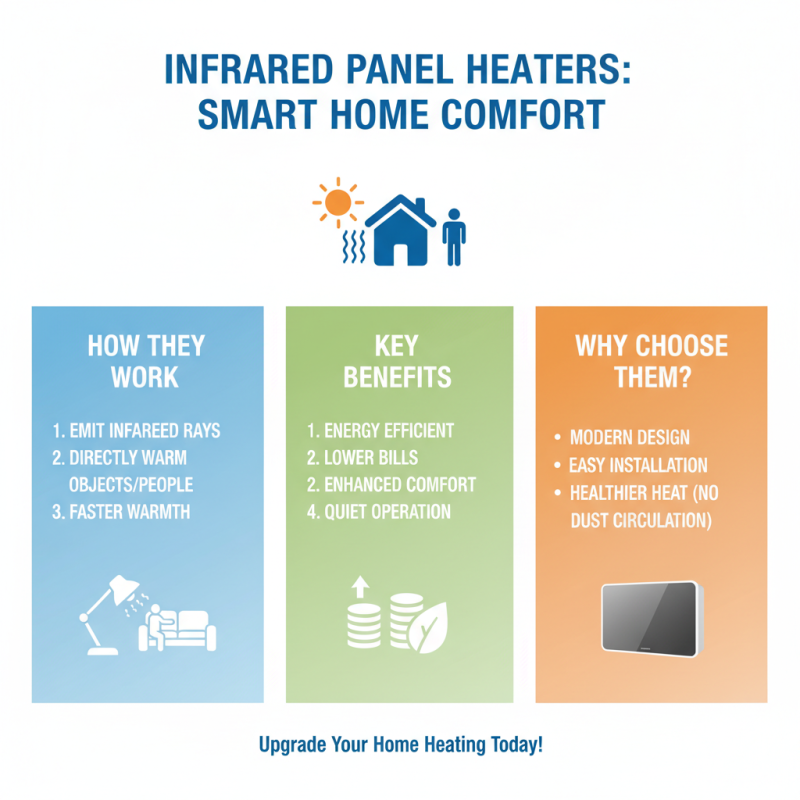
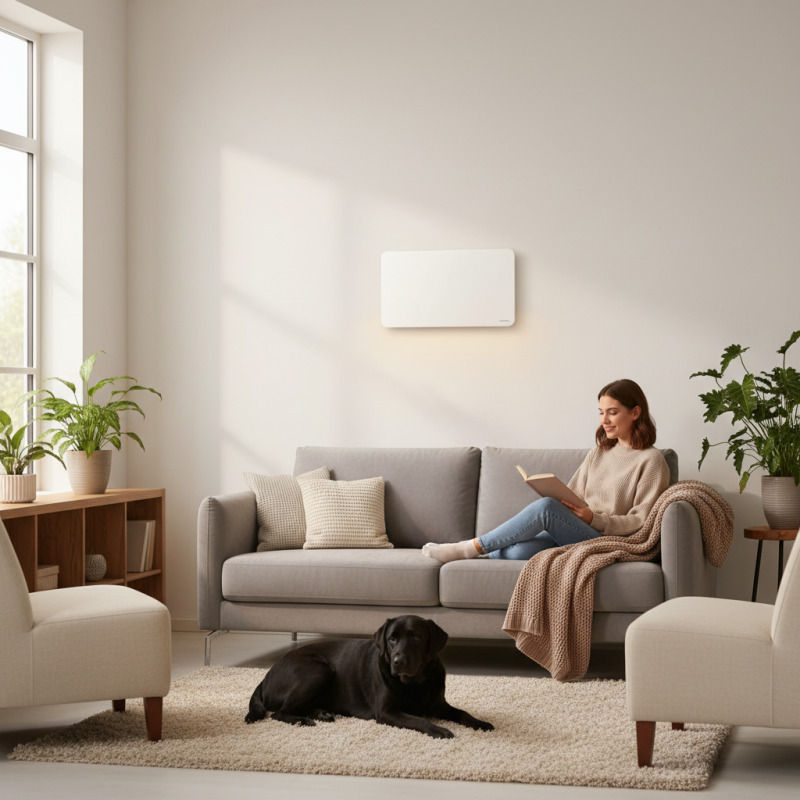
Infrared panel heaters are becoming increasingly popular for home heating due to their unique ability to provide efficient and comfortable warmth. These heaters work by emitting infrared rays, which directly warm objects and people in the room instead of just heating the air. This method of heating often leads to faster results and can enhance overall comfort levels in your living space. One of the major benefits of infrared panel heaters is their energy efficiency, which can lead to lower energy bills compared to traditional heating methods.
When choosing the best infrared panel heater for your home, consider the size and insulation of the room you intend to heat. Larger or poorly insulated rooms may require more powerful units to ensure even heat distribution. Additionally, assess the placement of the heater; mounting it on a wall or ceiling can maximize its efficiency and safety, providing warmth where it’s needed most.
**Tips:** Always check the wattage of the heater in relation to the area you want to heat. A good rule of thumb is to allocate about 10 watts per square foot for adequate heating. Also, consider features such as adjustable thermostats or timers, which can help you control the heating schedule to match your lifestyle, further enhancing energy savings.
Key Factors to Consider When Choosing an Infrared Panel Heater
When selecting an infrared panel heater, several key factors should be taken into consideration to ensure that it meets your home heating needs effectively. One of the most critical aspects is the size and area of the space you intend to heat. Calculating the heater's output in relation to the square footage will help you determine how many units you'll need or if a single unit can adequately warm your desired area.
Additionally, it’s essential to consider the insulation quality of your home. Well-insulated spaces retain heat better, which may allow for a lower wattage heater to suffice.
Another important factor is the heater’s energy efficiency. Infrared panel heaters can vary in how much energy they consume while still providing effective heating. Look for models that come with energy-saving features, such as programmable settings or timers, which can help reduce electricity costs over time.
Furthermore, consider the heater's design and aesthetics; it should blend seamlessly with your interior decor while also being easy to install. Safety features such as automatic shut-off mechanisms are also crucial to prevent overheating and ensure safe usage in your home.
By carefully evaluating these factors, you can choose the best infrared panel heater that suits your lifestyle and heating requirements.
Assessing Your Home's Heating Requirements and Space
When selecting the best infrared panel heater for your home, it's essential to conduct a thorough assessment of your heating requirements and the specific characteristics of your living space. Begin by evaluating the size of each room you intend to heat. Measure the square footage and consider the ceiling height, as these factors influence the amount of heat needed to maintain a comfortable temperature. Additionally, take into account the insulation quality of your home, including windows, doors, and walls, as these elements can significantly impact heat retention and overall efficiency.
Next, consider the room's intended use and occupancy. For instance, heavily frequented areas like living rooms may require a different heating capacity compared to bedrooms or bathrooms. Think about the desired temperature levels for various spaces and whether you prefer a quick warmth to counteract the chill or a steady, consistent heat throughout the day. You should also assess if there are any specific heating zones in your house that may need particular attention, as personalized heating solutions can improve comfort and energy efficiency. By understanding your home's unique heating dynamics, you can make a well-informed decision when choosing the ideal infrared panel heater for your needs.
How to Choose the Best Infrared Panel Heater for Your Home Heating Needs
| Dimension |
Value |
Notes |
| Room Size (sq ft) |
100 - 300 |
Ideal for small to medium rooms |
| Wattage Required |
750 - 1500 Watts |
Depends on room insulation and climate |
| Heating Method |
Radiant Heating |
Heats objects and people directly |
| Energy Efficiency |
Up to 90% |
Lower operating costs |
| Safety Features |
Overheat Protection, Tip-Over Switch |
Ensures safe operation |
| Installation Type |
Wall-Mounted / Portable |
Flexible options for different spaces |
| Control Options |
Thermostat, Remote Control |
Convenient temperature management |
Comparing Different Types and Models of Infrared Panel Heaters
When it comes to selecting the right infrared panel heater for your home, understanding the different types and models available is crucial. Infrared heaters come in various forms, including wall-mounted, free-standing, and ceiling-mounted options.
Wall-mounted heaters can save space and are ideal for smaller rooms, while free-standing units offer flexibility to move around. Ceiling-mounted infrared panels are often used in larger areas, providing a broader coverage. Each type has its advantages, so consider your specific heating needs and available space before making a decision.
When comparing models, pay attention to key features such as energy efficiency, heating capacity, and safety features. It's essential to choose a model that not only heats effectively but also operates quietly and consumes energy efficiently to keep your bills in check. Look for heaters with adjustable thermostats to help maintain your desired temperature easily.
Tips: Ensure that the infrared panel heater you choose comes with safety certifications. Additionally, consider reading customer reviews to gauge performance and reliability. Lastly, assess the heater's design to ensure it complements your home decor while effectively fulfilling your heating requirements.
Energy Efficiency and Cost Considerations for Infrared Heating Solutions
When considering infrared panel heaters for your home, energy efficiency and cost-effectiveness are paramount. Infrared heaters work differently than traditional heating methods by directly warming objects and people in a room, leading to less wasted energy and more effective heating. This technology not only reduces the time it takes to feel warmth but also helps in lowering energy costs, especially during colder months when heating is essential.
Tips: To maximize energy savings, look for heaters with adjustable thermostats and timers. This allows you to control when the heater operates, ensuring it runs only when necessary. Additionally, choose units with a higher energy efficiency rating, as they convert a greater percentage of electricity into heat, helping you save more on your electricity bills over time.
Moreover, the installation of infrared heaters should be considered in relation to the space you intend to heat. A proper assessment of the area can help you select the right size and number of panels needed to achieve optimal heating without inflating your energy bills. Conducting an energy audit may also reveal opportunities for improving insulation and reducing overall heating demands in your home.
Energy Efficiency of Infrared Panel Heaters
This bar chart illustrates the energy efficiency of various infrared panel heaters measured in kWh per hour. Higher values indicate better energy performance, which is a crucial consideration when selecting an infrared heater for effective home heating solutions.