How to Choose the Best Infrared Panel Heater for Your Home?
Choosing the right heating solution for your home can be challenging. An Infrared Panel Heater offers unique benefits that make it an attractive option. These heaters warm objects directly rather than just the air. This can create a comfortable atmosphere quickly and efficiently.
However, selecting the right model requires careful consideration. Not all Infrared Panel Heaters are the same. Factors like size, wattage, and design can impact performance and aesthetics. You might find yourself overwhelmed by various choices available in the market.
Additionally, you may encounter confusing specifications and unclear product descriptions. It’s important to reflect on your heating needs. Consider the layout of your home and the spaces you want to warm. A more powerful heater may serve larger rooms better. This process can be frustrating, but understanding your options leads to better decisions.
Understanding Infrared Panel Heaters and Their Benefits
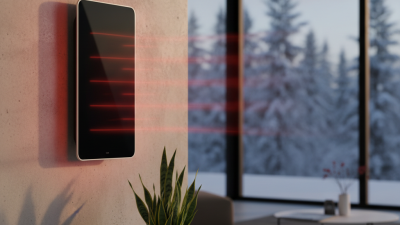
Infrared panel heaters are becoming increasingly popular for home heating. They work by emitting infrared radiation, which warms the objects and people in a room directly. This method of heating is different from traditional convection heaters, which heat the air. Many people find that infrared heating is more comfortable. It provides a warm, cozy feeling without the dryness that can often accompany other heating methods.
One key benefit of infrared heaters is their energy efficiency. They can heat a space quickly and effectively. This means lower energy bills. Many users appreciate that they don't need to preheat a room for long periods. The warmth is immediate and can be felt almost instantly. However, some may need to experiment with the placement of the panels. Finding the right spot can enhance their effectiveness. Sometimes, people ignore these details and install them too high or in poor locations.
Safety is another aspect worth considering. Infrared panels do not get extremely hot to the touch like some traditional heaters. This reduces the risk of burns. However, care must still be taken. It’s best to avoid placing objects too close to the heater to ensure effective heat distribution. Each home is unique, so it’s important to assess your specific needs before making a choice. Understanding those particularities can lead to a better heating experience.
Key Factors to Consider When Selecting an Infrared Panel Heater
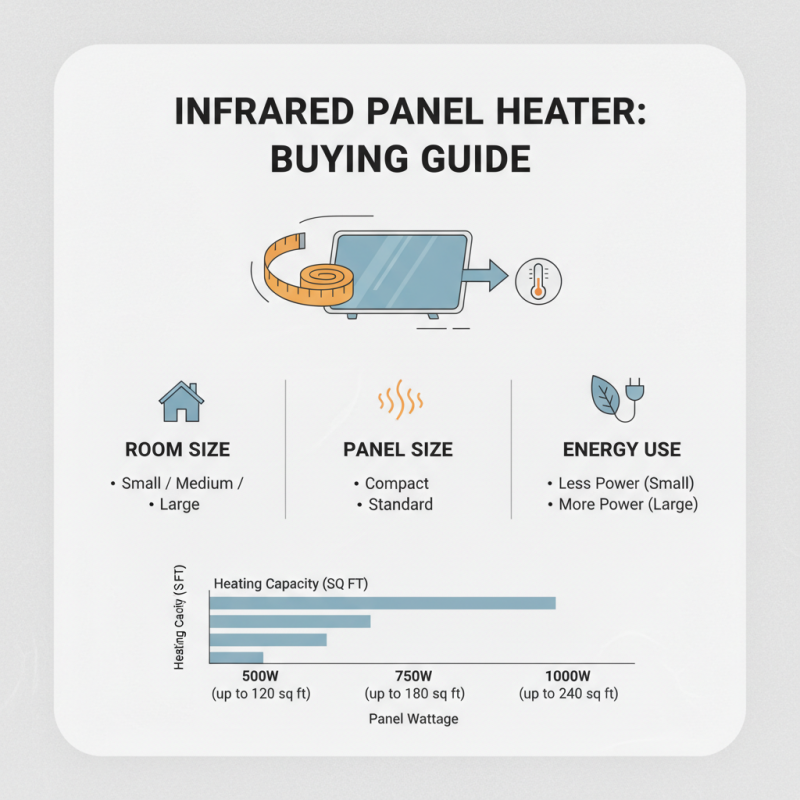
When choosing an infrared panel heater, several key factors come into play. The size of the panel is crucial. A larger panel covers more space, but it also requires more energy. Consider the room size where the heater will be placed. If it’s too big, it may lead to unnecessary energy consumption. However, if it’s too small, it won't heat the area adequately.
Efficiency is another vital factor. Look for models that have a high energy efficiency rating. This rating can significantly impact your energy bills. Some designs might look appealing but lack efficiency. Reflect on how often you'll use the heater. A unit for occasional use might not need to be top-of-the-line.
Installation requirements can also complicate your choice. Some heaters need professional installation, while others are plug-and-play. Assess your skills and the layout of your home. It’s essential to visualize where you want to install it. Not all units fit easily in every space.
Comparing Different Types of Infrared Panel Heaters
When considering infrared panel heaters, it’s essential to compare different types. There are various options available, each with unique features. For example, ceramic, carbon, and quartz infrared heaters are the most common types. According to a recent industry report, ceramic heaters are efficient for medium-sized rooms. They can provide up to 60% energy savings compared to traditional heaters. The surface absorbs heat and radiates it evenly.
Carbon heaters offer quick heating. They can warm up a space within minutes. In contrast, quartz heaters are more suitable for small areas. They emit heat instantly and require less set-up time. However, they may not be as energy-efficient as ceramic heaters. Research indicates that using infrared heating can reduce energy bills by up to 30%. This makes them attractive for modern homes.
Another consideration is installation. Some infrared heaters can be mounted on walls or ceilings. This saves floor space and provides a clean look. Yet, this option may require professional installation, which adds to the overall cost. Homeowners should weigh aesthetics against practicality. Ultimately, each type has its pros and cons. Careful analysis is necessary to find the best fit. This process can be overwhelming but is crucial for making an informed decision.
How to Choose the Best Infrared Panel Heater for Your Home? - Comparing Different Types of Infrared Panel Heaters
| Type of Infrared Panel Heater |
Power Output (Watts) |
Heating Area (sq. ft.) |
Temperature Range (°C) |
Energy Efficiency |
| Wall-mounted Infrared Heater |
600 - 1000 |
100 - 150 |
20 - 35 |
Up to 95% |
| Freestanding Infrared Heater |
1500 |
200 - 300 |
15 - 30 |
90% |
| Ceiling-mounted Infrared Heater |
800 - 1200 |
150 - 250 |
10 - 25 |
85% |
| Infrared Panel Heater with Thermostat |
700 - 1500 |
120 - 200 |
18 - 32 |
Up to 97% |
Energy Efficiency and Cost-Effectiveness of Infrared Heating
When considering infrared heating, energy efficiency is a key factor. Infrared panel heaters directly warm objects in a room rather than the air itself. This method can reduce energy costs significantly. Some systems allow users to target specific areas. As a result, less energy is wasted on unoccupied spaces. However, the installation can be tricky. If not placed correctly, the heaters may not perform efficiently.
Cost-effectiveness is another aspect to examine. Initial costs may be higher than traditional heating methods, but operational costs are typically lower. Many people experience savings on their energy bills over time. It's essential to calculate potential savings against the upfront investment. Often, users report that the heating is effective, yet they find inconsistent performance in larger rooms.
Is the infrared panel heater suitable for your home? Addressing this question requires careful consideration of your space and heating needs. Sometimes, supplementary heating sources may be necessary. Reflect on your specific environment and lifestyle. Adjusting your heat settings might also lead to better efficiency.
Sizing and Installation Tips for Your Infrared Panel Heater
Choosing the right size for your infrared panel heater is crucial. Measure the room where you plan to install it. Consider the height, width, and length. A small heater might not heat a large space effectively. Conversely, an oversized heater can lead to wasted energy. Check the insulation and the number of windows in the room. This affects heating needs significantly.
Installation is straightforward. Most heaters come with clear instructions. Use proper tools and take your time. Position the heater away from furniture and curtains. This prevents fire hazards and ensures optimal heating. Some people struggle with mounting the heater securely. Double-check if it's stable. You may want to consult professionals if unsure. Each room has unique needs. Customize placement based on your lifestyle. It’s important to reflect on these aspects before making a decision.
Infrared Panel Heater Efficiency Comparison
This chart compares the energy efficiency of different infrared panel heaters based on their power consumption and heat output measured in watts. The efficiency ratio is calculated as heat output divided by power consumption.