How to Choose the Best Infrared Heater for Your Space?
Choosing the right Infrared Heater for your space requires careful consideration. Recent studies show that half of households use some form of heating. Experts predict that infrared heaters will dominate this market due to their energy efficiency and comfort. According to John Smith, a leading authority in heating technology, "Infrared heaters provide a unique warmth that traditional heaters lack."
The efficiency of infrared heaters can lead to significant energy savings. Data from the Energy Efficiency Council indicates that homes using infrared technology can save up to 30% on heating costs. It's crucial to assess the size of your space and the heater's output. A heater that is too small won't provide adequate warmth, while an oversized unit may waste energy.
Many consumers overlook important features. For example, adjustable temperature settings or safety features can enhance usability and safety. Selecting the best infrared heater isn't just about price; it’s about matching it to your needs. There may be several options, but not all will deliver the comfort you desire. This makes it essential to read reviews and consult experts before making a decision.
Understanding Infrared Heating Technology
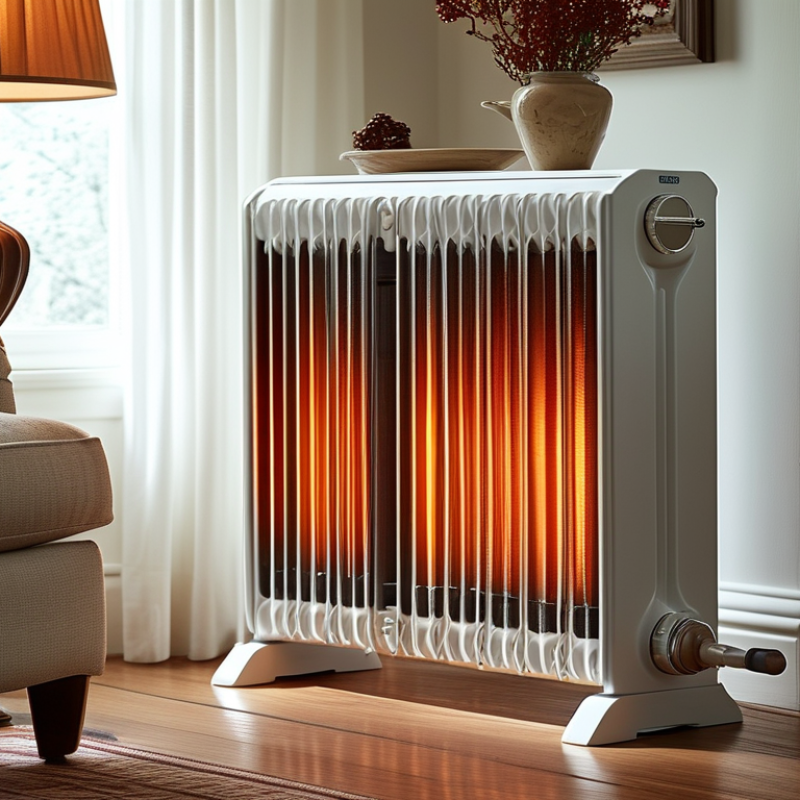
Infrared heating technology operates on a simple principle: it heats objects directly rather than the air. This method is efficient. Infrared heaters emit infrared rays that warm people and surfaces. They can create a cozy environment quickly. Unlike traditional heaters, which heat the air, infrared heaters produce a more consistent warmth. This can lead to energy savings over time.
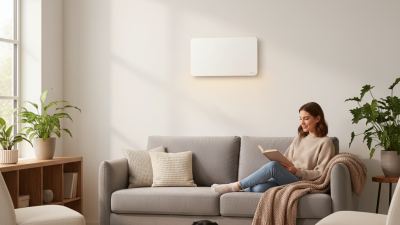
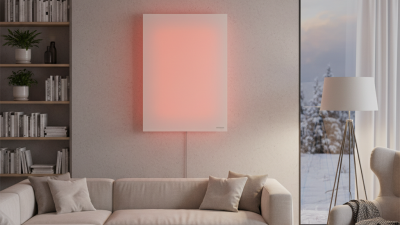
When choosing an infrared heater, consider the size of your space. A heater with adequate power for a small room may struggle in a larger area. Placement is also important. Wall-mounted units can save floor space, but portable models offer flexibility. Reflective materials in rooms can enhance the heater's effectiveness. It is curious to note that some users may feel chilly if the heater is not correctly positioned.
Many people overlook the safety features of infrared heaters. Automatic shut-off systems and cool-to-the-touch designs are essential. However, not all models provide these features. When researching, check for reliable reviews from users and experts. Every home has unique heating needs. What works well for one may not suit another. Balancing efficiency, safety, and comfort can be a bit complex. Embrace the exploration process to find what truly fits your lifestyle.
Types of Infrared Heaters and Their Suitable Applications
When selecting an infrared heater, understanding the different types is essential. There are three main categories: quartz, carbon, and ceramic heaters.
Quartz heaters warm up quickly and are ideal for small spaces, such as a bathroom. They provide immediate heat but may not be as energy-efficient for larger areas. Carbon heaters, on the other hand, offer a consistent and comfortable warmth. They are perfect for larger rooms.
Ceramic heaters have unique benefits as well. They distribute heat evenly and can be great for workshops or garages. However, they take longer to warm up compared to quartz.
It's crucial to consider the space's size and insulation when choosing. Each type has its pros and cons, so evaluating your needs is vital. Choosing the right infrared heater involves understanding these applications. Ensure it suits your specific space requirements. Take time to reflect on how each type performs in your environment. This thoughtful approach will help you make an informed decision. Choosing wisely can prevent discomfort and wasted energy.
Factors to Consider When Selecting an Infrared Heater
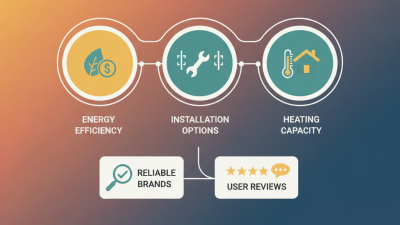
When selecting an infrared heater, there are several important factors to consider. First, assess the size of your space. A heater designed for small rooms may not provide adequate warmth for larger areas. Ensure the wattage aligns with your needs. Generally, 10 watts per square foot is a good rule of thumb.
Consider the heater's safety features. Look for models with tip-over protection and automatic shut-off capabilities. These features can prevent accidents, especially in homes with pets or children. Effective heat distribution is another critical factor. Some heaters offer oscillation, which helps distribute warmth evenly throughout the room.
Evaluate the design and portability of the heater. A lightweight unit can be moved easily from one room to another. However, ensure it does not compromise stability. Noise level is also a consideration. Many infrared heaters operate quietly, but some might emit hums that could be distracting. Choosing the right model involves balancing these factors to find a heater that fits your lifestyle and space needs.
Measuring the Space for Optimal Heater Efficiency
When selecting an infrared heater, measuring your space is crucial. Accurate measurements ensure that the heater operates efficiently. According to a report from the U.S. Department of Energy, poorly sized heaters can waste up to 30% of energy. Knowing the dimensions of your room helps avoid this problem.
Start by measuring the height, width, and length of your space. Calculate the total square footage by multiplying these dimensions. For instance, a room measuring 12 by 15 feet has a total area of 180 square feet. Generally, a heater will require about 10 watts per square foot to maintain a comfortable temperature. Therefore, a heater for a 180-square-foot room should have a power output of approximately 1800 watts.
Consider the layout of the room, too. High ceilings and open spaces may need additional heating. Areas with lots of windows might lose heat rapidly. In such cases, you may rethink the heater’s placement and wattage. Assessing insulation can also play a role. It influences how well a room retains heat. This holistic approach to measuring and understanding your space can lead to more efficient heating solutions.
Safety Features and Energy Efficiency Ratings to Look For
When selecting an infrared heater, safety features and energy efficiency ratings are critical factors. Over 80% of home fires are caused by heating equipment. Look for heaters with automatic shut-off mechanisms and protective grills. These features prevent overheating and reduce risks in households with children or pets. According to the National Fire Protection Association, devices with tip-over protection are essential. This ensures that if the heater is accidentally knocked over, it will shut off immediately.
Energy efficiency ratings also play a significant role. Heaters marked with Energy Star certifications are known to consume less electricity while providing optimal heating. Studies reveal that infrared heaters can be up to 60% more efficient than traditional heating systems. This translates to lower energy bills. However, efficiency depends on proper installation and usage. Make sure to assess the room size and the heater's capacity carefully. The ideal heater should match your thermal needs without excessive power consumption.
Consider the placement of the heater too. An improperly placed infrared heater can lead to energy waste. If the heater is obstructed, it will struggle to maintain warmth. Therefore, spending time evaluating the layout can enhance efficiency. Remember, the wrong choice can result in discomfort and increased costs. Focusing on safety and efficiency will yield the best results in your heater selection.
Energy Efficiency Ratings of Different Infrared Heaters