How to Choose the Best Infrared Electric Heater for Your Space?
Choosing the right Infrared Electric Heater for your home is crucial for comfort and efficiency. Renowned HVAC expert, Dr. Alice Thompson, emphasizes that “the correct heater can make a significant difference in your space's warmth and energy savings.” Understanding the options available is vital, as not all heaters are created equal.
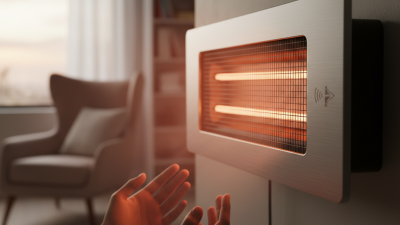
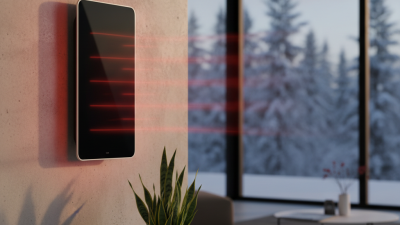
Infrared Electric Heaters work differently than conventional heating methods. These heaters emit infrared radiation, warming objects rather than just the air. This feature makes them more efficient and effective in many settings. However, selecting the best model requires careful consideration of several factors. Room size, insulation quality, and energy efficiency ratings can influence your choice.
Some heaters may appear appealing but lack durability or performance. Potential buyers need to research and compare different brands and models objectively. A well-informed decision can lead to improved comfort and lower energy bills. Reflecting on personal experiences with heating options can shed light on what truly matters in real-life scenarios.
Understanding Infrared Electric Heaters: Basics and Benefits
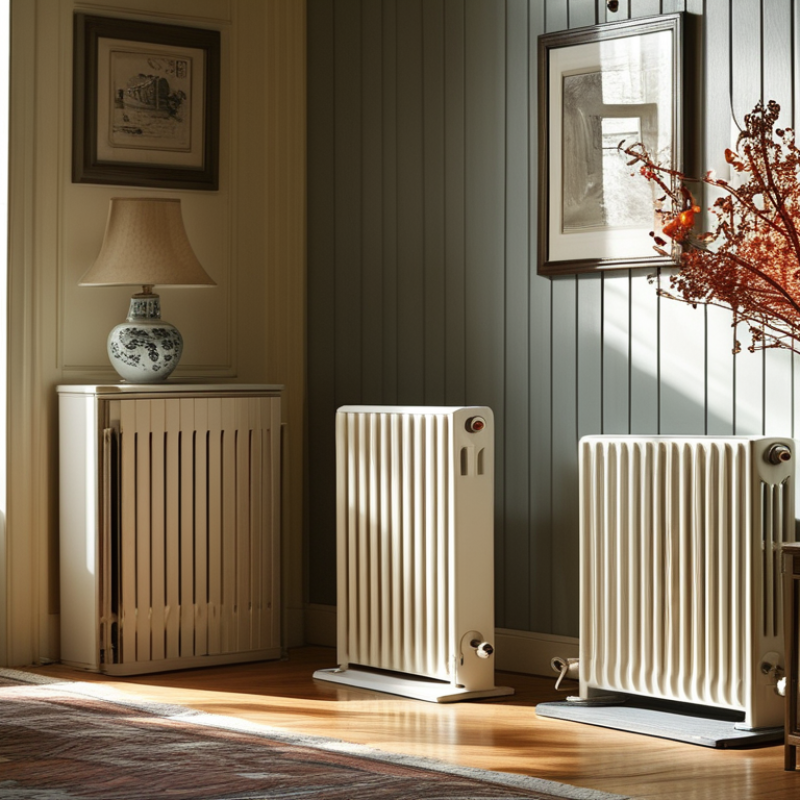
Infrared electric heaters have gained attention for their efficiency and comfort. Unlike traditional heaters, they use infrared technology to warm objects and people directly. This leads to a quicker and more even heat distribution. According to the U.S. Department of Energy, infrared heaters can provide effective heating in spaces that are hard to warm with conventional systems.
Energy savings are a significant benefit. Studies have shown that infrared heaters can reduce energy costs by up to 50% compared to traditional heating methods. This reduction arises from their ability to heat spaces without wasting energy on heating the air. Additionally, infrared heaters operate silently, making them suitable for quiet environments like bedrooms and offices. However, they do have drawbacks. While efficient, their effectiveness can diminish in larger, poorly insulated spaces.
Understanding the basics of infrared technology is crucial when considering your heating needs. They come in various forms, such as portable units for personal use or larger systems built into homes. Buyers must consider room size and heating requirements. In some cases, selecting the wrong size can lead to suboptimal performance. Users should assess their unique space carefully to maximize the benefits of infrared heating while ensuring they invest wisely.
Energy Efficiency of Different Infrared Electric Heaters
Evaluating Space Requirements for Infrared Heating Solutions
When evaluating space requirements for infrared heating solutions, the size of the area is crucial. Measure the room’s dimensions accurately. Different rooms may need different heating outputs. A small bathroom requires less power than a spacious living room. Consider the insulation quality too. Poorly insulated spaces lose heat quickly. You may find that a higher wattage is necessary for comfort.
Think about the layout and usage of the space. Open areas may need strategically placed heaters to ensure even warmth. Corners and nooks can become chilly spots. Positioning matters, especially in larger rooms. You might also reflect on how frequently you use the space. Occasional use doesn't require the same heating capacity as a daily living area.
Lastly, don't ignore personal preferences. Some people enjoy a warmer environment than others. This subjective aspect can influence your choice significantly. If you prefer to feel warmer, you may opt for a more powerful unit or additional heaters. As you assess these factors, aim for a balance between comfort and efficiency. Ensure your choice suits not only your space but also your heating needs.
Comparing Different Types of Infrared Electric Heaters
When comparing different types of infrared electric heaters, it's essential to understand how each type functions. Convection heaters warm the air in a room. They take time to heat up, resulting in a gradual rise in temperature. In larger spaces, the delay can be frustrating, so consider your heating needs carefully.
Radiant heaters, on the other hand, provide immediate warmth. They radiate heat directly to objects and people within their line of sight. This feature makes them ideal for smaller rooms or outdoor spaces. However, if you're not in the direct line of the heat, it may feel less effective.
Another option is the combination heater. These units use both convection and radiant heating. They can adapt to varying temperatures and room sizes. While versatile, they might be more complex than a single-type heater. Think about your space and usage habits. Will you be heating a large area or just a cozy corner? Reflecting on your habits will guide you in making the best choice.
Key Features to Look for When Selecting a Heater
When selecting an infrared electric heater, several key features are crucial. Energy efficiency should be at the top of your list. A heater with a high wattage may heat up quickly but could lead to high energy bills. Look for models with adjustable settings. This allows you to control the temperature based on your needs.
Safety features also matter significantly. Overheat protection is essential to prevent accidents. A heater with a tip-over switch can shut off automatically if it falls. Portability can be a useful aspect as well. Lightweight models with wheels allow easy movement between rooms. Consider the heater’s noise level too. Some models operate quietly, which is ideal for bedrooms or offices.
Reflect on additional aspects like size and design. A good heater should fit well in your space without being an eyesore. Compact designs are aesthetically pleasing and save room. Read reviews to gauge reliability and effectiveness. While perfection in these features is hard to achieve, balancing your priorities will guide you toward a suitable choice.
Safety Considerations and Maintenance Tips for Infrared Heaters
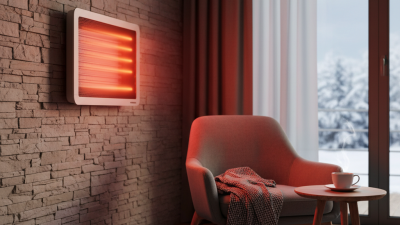
Infrared heaters provide efficient and targeted heating, making them a popular choice for many spaces. However, safety should be a top priority. These heaters operate by emitting infrared radiation that directly warms objects and people, rather than the air. According to a report from the U.S. Consumer Product Safety Commission, improper use of heaters causes over 25,000 residential fires annually. It's crucial to place heaters away from flammable materials like curtains and paper.
Regular maintenance is necessary to ensure the safe operation of infrared heaters. Dust and debris can accumulate, impacting performance and safety. Cleaning should be done every few months. Experts recommend checking the power cords for fraying or damage. Nearly 14% of heating-related fires are linked to problems with electrical equipment. Keeping a fire extinguisher nearby adds an extra layer of safety.
While infrared heaters offer comfort, users must remain vigilant. Positioning your heater thoughtfully can make a significant difference. Avoid using extension cords, as they can overheat. Learn the safety instructions specific to your model to prevent accidents. Being aware and proactive can enhance your experience with infrared heating while minimizing risks.