How to Choose the Best Infrared Electric Heater for Your Home Needs
When it comes to heating our homes efficiently and comfortably, the choice of an Infrared Electric Heater can make all the difference. With various models and features available in the market, homeowners often find themselves overwhelmed by the options. According to industry expert Dr. Emily Thompson, a leading specialist in energy-efficient heating solutions, "Choosing the right infrared electric heater tailored to your specific needs is crucial for achieving optimal comfort and energy savings." This statement underscores the importance of understanding how these heaters operate and how they can best serve our individual requirements.
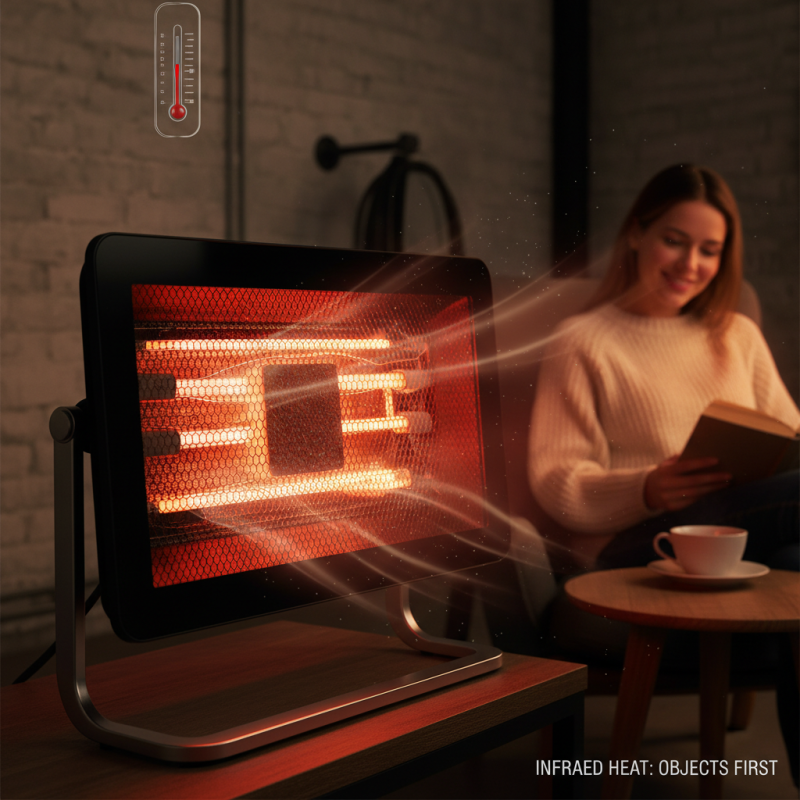
Infrared electric heaters work by emitting infrared radiation, which warms objects and people directly, rather than heating the air. This method not only enhances comfort but also improves energy efficiency. As you consider your options, it's important to evaluate factors such as room size, insulation, and personal preferences. By doing so, you can identify the best infrared electric heater that aligns with your unique needs, ensuring a cozy and inviting atmosphere in your home while maximizing energy use.
Understanding Infrared Electric Heaters: Types and Mechanisms
Infrared electric heaters operate on a distinct principle compared to traditional heating systems. Instead of warming the air, infrared heaters emit infrared radiation directly to heat objects and people within a room. This can create a more comfortable environment since the heat is felt instantly and can be more energy-efficient. There are mainly three types of infrared heaters: quartz, ceramic, and carbon. Each type has its own set of advantages depending on the space you need to heat and how quickly you want to achieve that warmth.
When choosing an infrared heater, consider the size and layout of the area where it will be used. For smaller spaces, portable quartz or ceramic heaters can provide quick and effective heating. In larger rooms or for whole-house applications, a mounted carbon infrared heater might be more suitable, offering consistent warmth over time.
Tips: Always look for heaters with safety features such as tip-over protection and overheat shut-off. Additionally, ensure that the heater is suited for the specific type of area you intend to use it in—some models are more appropriate for indoor use, while others might be designed for patios or open spaces. Lastly, consider energy consumption; selecting an efficient model can help reduce your electricity bills while still providing the comfort you need.
Evaluating Heating Efficiency: BTU Ratings and Coverage Areas
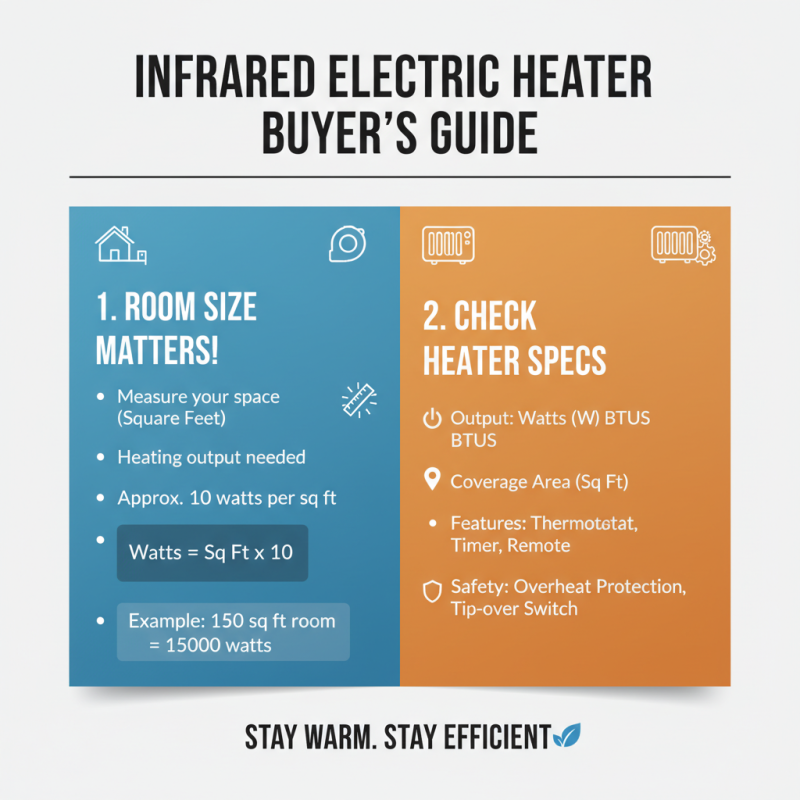
When selecting an infrared electric heater, one of the most crucial factors to evaluate is its heating efficiency, which is often represented by BTU ratings. BTU, or British Thermal Unit, measures the amount of heat a heater can produce. To ensure effective heating in your space, it’s important to choose a heater that adequately meets the BTU requirement for the area you intend to warm. For instance, a small room may only require a unit that provides around 5,000 to 10,000 BTUs, while larger spaces might need 20,000 BTUs or more to maintain comfortable temperatures.
In addition to BTU ratings, consider the coverage area of the heater. Each model is typically designed for specific room sizes, and it’s essential to match this with the dimensions of your space. A heater with a higher BTU rating may not necessarily be suitable for every room; other factors like insulation, ceiling height, and open floor plans can also influence the effectiveness of the heating. By carefully evaluating these parameters, you can select an infrared heater that not only meets your heating needs but also operates efficiently, providing warmth without excessive energy consumption.
How to Choose the Best Infrared Electric Heater for Your Home Needs - Evaluating Heating Efficiency: BTU Ratings and Coverage Areas
| Model |
BTU Rating |
Coverage Area (sq ft) |
Energy Efficiency Rating |
Price ($) |
| Model A |
15000 |
500 |
High |
199 |
| Model B |
12000 |
400 |
Medium |
149 |
| Model C |
18000 |
600 |
Very High |
249 |
| Model D |
9000 |
300 |
Low |
99 |
| Model E |
20000 |
800 |
High |
299 |
Energy Consumption Considerations: Comparing Wattage and Usage Costs
When selecting an infrared electric heater for your home, understanding energy consumption is crucial. The wattage of the heater directly impacts its energy usage and, subsequently, your electricity bills. Generally, heaters with higher wattage produce more heat but will also consume more power. For effective heating without excessive energy costs, it's essential to balance the wattage with the size of the space you intend to heat. A heater that is too powerful for a small room can lead to needless energy expenditure, while one with insufficient wattage may struggle to warm larger spaces efficiently.
Additionally, considering your usage patterns can provide insights into cost-effectiveness. If you plan to use the heater frequently, look for models with features like programmable timers or energy-saving modes that can help reduce overall usage costs. Analyzing the average usage hours and multiplying them by the heater's wattage and your local electricity rate will give you a clearer picture of potential costs. By examining both wattage and usage behaviors, you can choose an infrared electric heater that meets your heating needs while being mindful of your energy consumption.
Safety Features: Recognizing Certifications and Protective Measures
When selecting an infrared electric heater, safety should be paramount. It's essential to recognize reputable certifications that indicate a product meets stringent safety standards. Look for marks from established organizations such as UL (Underwriters Laboratories) or ETL (Intertek). These certifications ensure that the heater has been rigorously tested for electrical safety, fire hazards, and energy efficiency, providing peace of mind during use.
Additional protective measures, such as tip-over and overheat protection, should also be considered. A unit equipped with a tip-over switch will automatically turn off the heater if it is knocked over, significantly reducing the risk of fire. Overheat protection serves a similar function by shutting off the heater when it reaches a certain temperature, preventing potential accidents. Choosing a model with these features can greatly enhance safety, making your home a secure environment while enjoying the warmth of an infrared electric heater.
Safety Features of Infrared Electric Heaters
Selecting the Right Size: Room Dimensions and Heater Output Requirements
When selecting the best infrared electric heater for your home, it is crucial to consider the size of the room you intend to heat and the output requirements of the heater. The heating output, measured in watts or BTUs, directly influences its effectiveness. Generally, a common guideline is that you will need about 10 watts of heating power for every square foot of space. Hence, knowing the dimensions of the room can help you accurately determine the wattage needed for adequate heating.
Additionally, assessing factors such as ceiling height and insulation can further refine your choice. For instance, a room with high ceilings may require additional heating output to ensure warmth reaches the lower areas efficiently. Likewise, if the room is well-insulated, a heater with lower wattage may suffice, while poorly insulated spaces might necessitate a more powerful unit to compensate for heat loss. By effectively matching the heater’s output with the specific conditions of your room, you can ensure not only comfort but also energy efficiency in your heating solution.