2026 Best Infrared Electric Heater Options for Global Buyers?
As global temperatures fluctuate, the demand for efficient heating solutions grows. Infrared electric heaters have become a popular choice for many consumers due to their energy efficiency and effectiveness. According to a recent report from the International Energy Agency, infrared heaters can save up to 30% on energy bills compared to traditional heating methods. This makes them appealing for both residential and commercial use.
Industry expert Dr. Emily Thompson emphasizes the significance of choosing the right infrared electric heater. She states, "Selecting the proper heater not only ensures comfort but also maximizes energy savings." This underscores the importance of informed decision-making in this market. The variety of options available can be overwhelming, yet the right heater can significantly impact energy consumption and overall satisfaction.
As we approach 2026, buyers will face numerous options. Each heater has unique features, price points, and efficiencies. Finding the best infrared electric heater is not just a matter of preference; it is about balancing cost with performance. This complexity can lead to confusion. So, understanding key factors is crucial for making a wise investment in home heating solutions.
Understanding Infrared Electric Heaters: Technology and Benefits
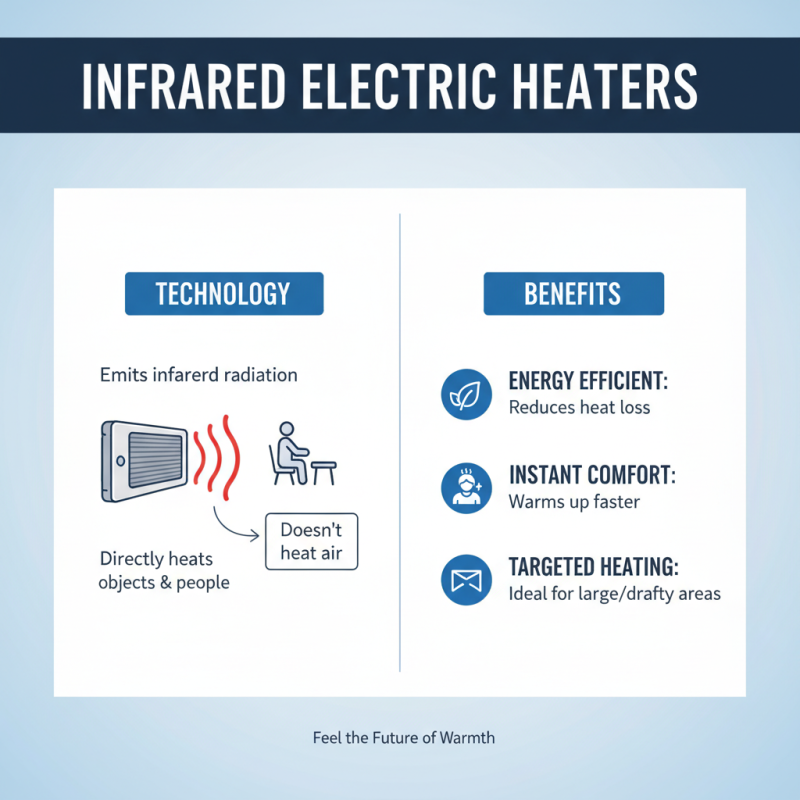
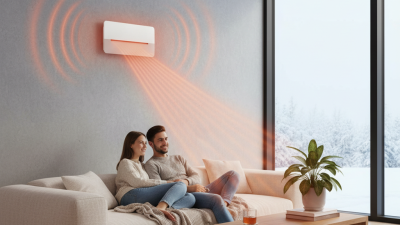
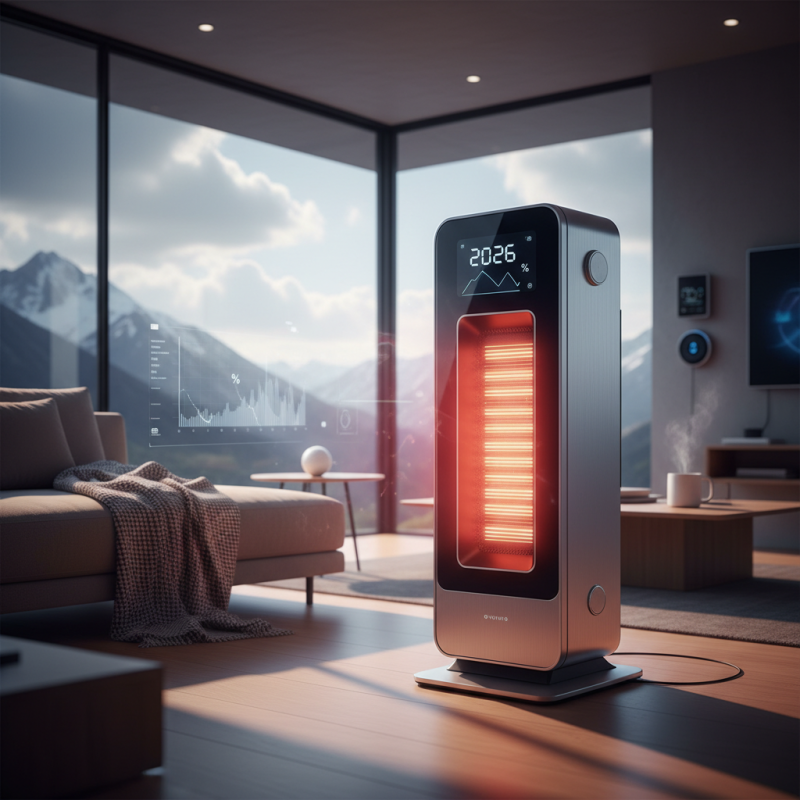
Infrared electric heaters are intriguing devices that utilize advanced technology to provide warmth. Unlike traditional heaters, they do not warm the air directly. Instead, they emit infrared radiation, which heats objects and people in their path. This method proves to be efficient, as it reduces energy loss and creates a comfortable atmosphere faster. Users appreciate this targeted heating, especially in larger spaces or drafty environments.
The benefits of infrared heaters extend beyond efficiency. They often operate silently, making them ideal for bedrooms and offices. Many models also come with adjustable settings, allowing users to customize their experience. However, a challenge exists: not all infrared heaters perform the same. Some might struggle in larger areas. Users should carefully consider their space and needs when choosing a heater. It’s essential to gather opinions from various sources, ensuring informed decisions.
Moreover, safety is a crucial factor. While most infrared heaters are designed with features to prevent overheating, users should always remain vigilant. Regular maintenance is essential for optimal performance. It's vital to stay updated on technological advancements to avoid outdated models. Understanding the technology behind infrared heating helps buyers recognize both its promise and limitations. Thoughtful choices can lead to a significant enhancement in comfort and efficiency.
Market Trends in Electric Heating: Growth Projections for 2026
The electric heating market is undergoing significant changes. By 2026, the demand for infrared electric heaters is projected to increase sharply. According to industry reports, the global electric heater market will grow at a CAGR of approximately 7% from 2021 to 2026. This rise is linked to technological advancements and a growing preference for energy-efficient solutions.
Consumers increasingly value eco-friendly options. Infrared heaters provide direct warmth and have lower energy consumption. This efficiency can lead to reduced utility bills, appealing to cost-conscious buyers. Additionally, their compact designs suit diverse spaces, boosting their popularity. However, many speculate whether such heaters can effectively heat larger areas without incurring high costs. Research indicates that while they excel in small to medium rooms, users may need supplementary heating solutions for larger environments.
Market dynamics show that regional preferences influence purchasing decisions. In colder climates, demand spikes during winter months, impacting supply chains. Understanding these trends is vital for manufacturers aiming to capture market share. However, there are risks in overestimating demand, particularly if energy prices fluctuate unexpectedly. As the market evolves, businesses must remain agile and responsive to customer feedback and shifting trends.
2026 Electric Heater Market Growth Projections
This chart illustrates the projected growth of the electric heating market from 2022 to 2026, indicating an increasing trend in market value as consumer demand and technological advancements in heating solutions rise.
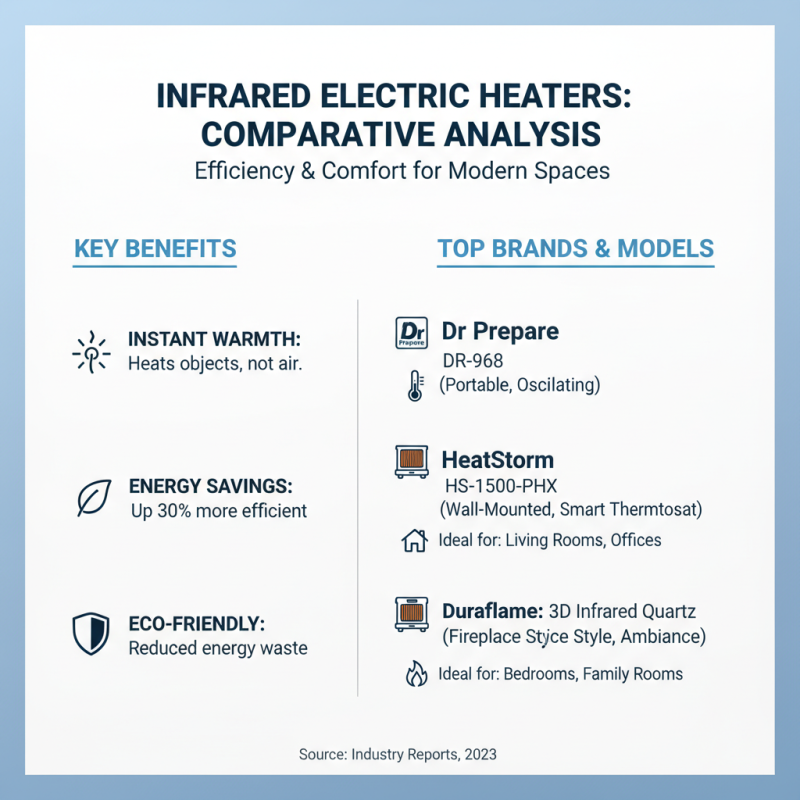
Top Brands and Models of Infrared Electric Heaters: A Comparative Analysis
Infrared electric heaters are gaining popularity due to their efficiency and effectiveness. They work by emitting infrared radiation, providing quick warmth to objects rather than heating the air. This technology can lead to energy savings of up to 30% compared to traditional heating methods, according to recent industry reports.
When considering the best options, users often look for key features such as wattage, heating capacity, and portability. Established models in the market typically range from 1,500 to 3,000 watts. The heating space can significantly affect performance. For example, a 1,500-watt heater is suitable for an area of around 150 square feet. Data indicates that many consumers enjoy using these heaters in their homes for spot heating during colder months.
While infrared electric heaters are efficient, they come with drawbacks. Some models may produce noise during operation, affecting comfort levels. Additionally, the initial purchase price can be higher than conventional heaters. Users must reflect on their specific needs and environment to choose the right model. It's vital to weigh the pros and cons carefully before making a decision.
Energy Efficiency Ratings of Infrared Heaters: What Buyers Should Know
When choosing an infrared electric heater, energy efficiency is crucial. Infrared heaters typically have efficiency ratings between 90% and 100%. This means they convert a significant amount of electrical energy into heat. A report by the Department of Energy states that these heaters can reduce energy consumption by up to 30% compared to traditional heating systems. This high efficiency can lead to substantial savings on energy bills over time.
However, not all infrared heaters are created equal. Some models offer advanced features like programmable timers and adjustable settings. These features can optimize energy use further. A study from the Energy Research Center indicates that heaters with smart technology can cut heating costs by approximately 15%. Buyers should assess the energy ratings before making a choice. Also, keep in mind that the specific usage and environmental factors play an important role in overall efficiency.
It's essential to note that while many infrared heaters are efficient, user habits matter too. Leaving a heater running in an unoccupied room can still waste energy. Proper insulation and room size also affect how well heating is managed. Consider these factors alongside heater efficiency ratings to make a more informed decision.
2026 Best Infrared Electric Heater Options for Global Buyers
| Model |
Power (W) |
Heating Area (sq ft) |
Energy Efficiency Rating |
Price ($) |
| Model A |
1500 |
300 |
95% |
150 |
| Model B |
1000 |
200 |
90% |
120 |
| Model C |
2000 |
400 |
85% |
200 |
| Model D |
1200 |
250 |
92% |
140 |
Consumer Safety Standards for Infrared Electric Heaters: Key Considerations
When considering infrared electric heaters, consumer safety is paramount. These heaters must meet specific safety standards to ensure effective operation. Buyers should prioritize units with overheat protection to avoid potential fire hazards. Look for automatic shut-off features; these can significantly reduce risks.
Certification marks from reputable organizations indicate compliance with safety regulations. Always check for these labels before purchasing. Many consumers overlook the importance of proper installation. Follow manufacturer guidelines closely to maximize safety. Improper use or placement can lead to accidents, such as burns or equipment failure.
Some heaters can emit harmful levels of radiation if poorly designed. Not all products are created equal. Research thoroughly to identify brands that prioritize safety in their designs. Occasionally, reviews highlight issues that could expose consumers to danger. Awareness is vital in making informed choices. Investing time in understanding safety metrics can lead to better heating experiences.