Top 10 Benefits of Using Heat Preservation Covers for Your Home
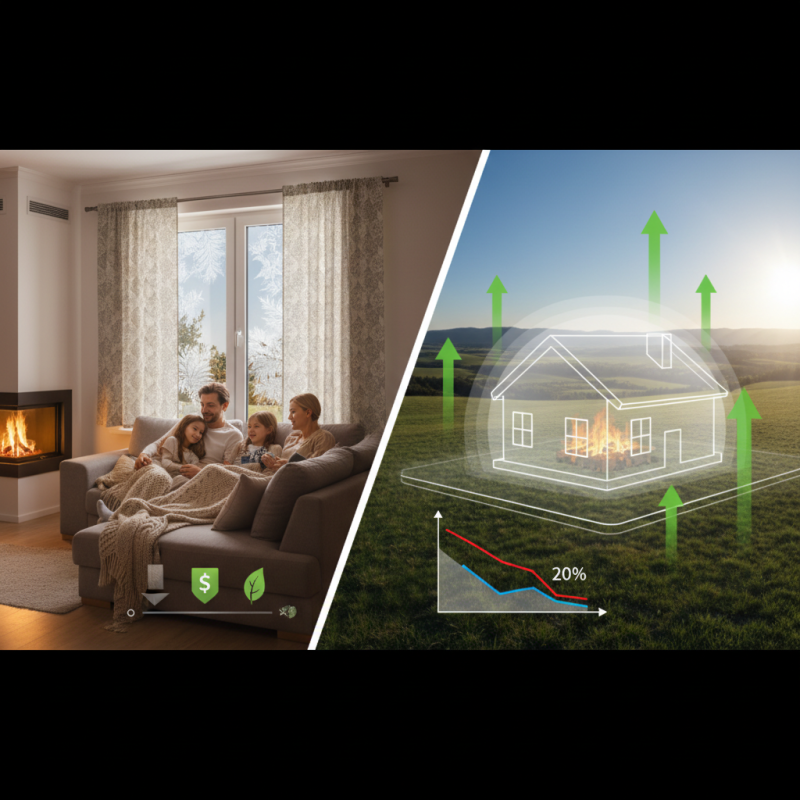
In increasingly energy-conscious times, homeowners are turning their attention to innovative solutions that enhance energy efficiency and reduce utility costs. One such solution is the Heat Preservation Cover, which has gained traction in the market due to its cost-saving benefits and environmental advantages. According to a report from the U.S. Department of Energy, residential heating and cooling contribute to around 50% of energy consumption in the average American home. By implementing heat preservation techniques, households can reduce their energy expenditure by up to 20%, leading to significant savings over time.
The importance of heat preservation extends beyond immediate cost savings; it also plays a crucial role in minimizing the carbon footprint. A study conducted by the Energy Saving Trust indicates that if every home in the UK utilized heat preservation strategies, it could cut down greenhouse gas emissions by approximately 2 million tons annually. Utilizing Heat Preservation Covers not only enhances the overall comfort of living spaces but also contributes to the global effort of creating sustainable environments. This article will explore the top 10 benefits of integrating Heat Preservation Covers into your home, highlighting their transformative impact on energy conservation and environmental stewardship.
Understanding Heat Preservation Covers and Their Functionality
Heat preservation covers are specialized insulating materials designed to enhance the energy efficiency of homes by minimizing heat loss. These covers function by creating a barrier that reduces the transfer of heat between the interior of a home and the outside environment. Typically made from materials like advanced textiles or foam, heat preservation covers can be applied to windows, doors, and other surfaces where heat exchange is prevalent. Their primary function is to keep warm air inside during colder months and repel heat during hotter seasons, contributing to a more stable indoor climate.
In addition to temperature regulation, heat preservation covers can also help mitigate noise pollution. The insulation properties not only prevent heat loss but also serve as an effective sound barrier, reducing the intrusion of external noise into living spaces. This dual functionality can significantly enhance comfort levels within homes. Furthermore, by decreasing the reliance on heating and cooling systems, homeowners can achieve substantial cost savings on energy bills, making heat preservation covers a valuable investment for improving overall home efficiency and comfort.
Energy Efficiency: How Heat Preservation Covers Reduce Energy Costs
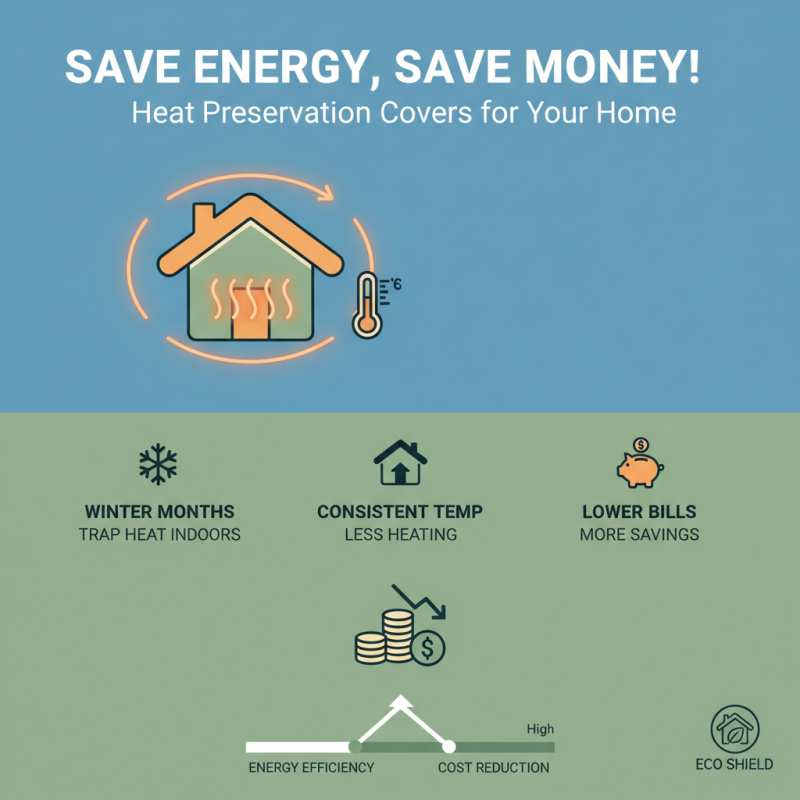
Heat preservation covers are becoming increasingly popular among homeowners looking to enhance energy efficiency and reduce costs. By creating a thermal barrier, these covers effectively trap heat within a space, minimizing the energy required for heating. This is particularly beneficial during colder months when heating systems can consume considerable amounts of energy. By maintaining a more consistent indoor temperature, heat preservation covers can lead to significant savings on energy bills, allowing homeowners to allocate those funds toward other needs.
In addition to lowering energy costs, heat preservation covers also contribute to a reduced environmental footprint. With less energy necessary for heating, the overall demand placed on heating systems decreases, which can lead to a reduction in greenhouse gas emissions. Homeowners can enjoy a more comfortable living environment while simultaneously promoting sustainability. The investment in heat preservation covers not only pays off through lower energy expenses but also supports a commitment to responsible energy consumption in the long run.
Enhancing Home Comfort with Temperature Regulation
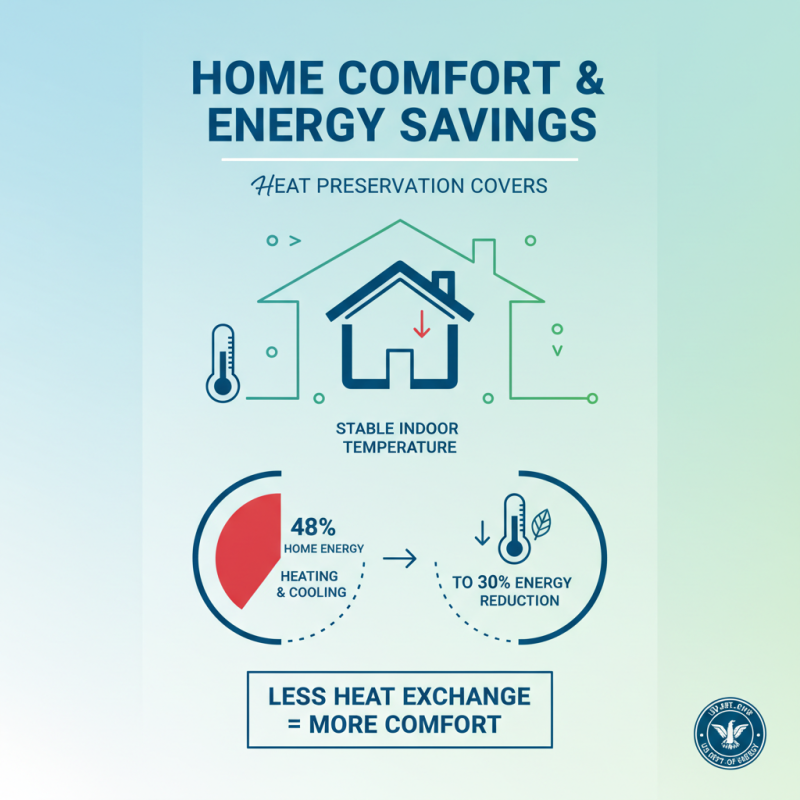
Heat preservation covers play a pivotal role in enhancing home comfort through effective temperature regulation. Recent studies indicate that homes equipped with high-quality heat preservation solutions can experience up to a 30% reduction in energy consumption. This is a significant finding, especially given that heating and cooling typically account for about 48% of energy use in a typical U.S. home, according to the U.S. Department of Energy. By minimizing heat exchange, these covers help maintain a stable indoor temperature, ensuring a comfortable living environment regardless of external weather conditions.
Moreover, the implementation of heat preservation covers also contributes to improved air quality within the home. By maintaining a consistent temperature, they prevent the excessive moisture build-up that can lead to mold growth, which affects both comfort and health. According to the Environmental Protection Agency, mold can trigger various respiratory issues and allergies, making it essential to manage indoor climates effectively. Furthermore, homes with well-insulated covers are reported to achieve a significant decrease in drafts, enhancing overall comfort. This not only addresses the thermal comfort of residents but also fosters a healthier indoor environment, demonstrating the multifaceted benefits of applying heat preservation technology.
Protecting Your Home from Environmental Elements
Heat preservation covers are increasingly recognized as an effective solution for protecting your home from environmental elements. These covers provide a barrier against extreme weather conditions, ensuring that your living spaces remain comfortable regardless of external temperatures. According to a study by the Energy Efficiency and Renewable Energy Office, homes that utilize heat preservation materials can reduce energy consumption for heating and cooling by up to 30%. This not only translates into significant savings on energy bills but also contributes to sustainability efforts by lowering carbon footprints.
Using heat preservation covers can also protect homes from pests and moisture-related issues. By effectively sealing entry points, these covers deter unwanted insects and rodents while minimizing the risk of mold and mildew, both of which thrive in damp conditions. A report from the National Association of Realtors suggests that homes with dampness or pest issues can lose 10-20% of their value, making prevention an essential consideration for homeowners.
Tips: To maximize the benefits of heat preservation covers, ensure they are properly installed and maintained. Regularly inspect for any wear and tear, especially during seasonal changes. Additionally, consider complementing these covers with other energy-efficient practices, such as using programmable thermostats and ensuring proper insulation in your home, to further enhance protection against environmental elements.
Sustainability and Eco-Friendliness of Heat Preservation Solutions
When it comes to creating a sustainable home environment, heat preservation covers represent a significant advancement in eco-friendly solutions. These innovative covers reduce energy consumption by up to 30% according to the International Energy Agency (IEA), highlighting their effectiveness in maintaining interior temperatures. By minimizing the need for artificial heating and cooling systems, heat preservation covers contribute to lower greenhouse gas emissions, aligning with global sustainability goals. As energy costs continue to rise, homeowners find these solutions not only eco-conscious but also economically beneficial.
Moreover, the implementation of heat preservation covers can lead to longer-lasting relationships with natural resources. The U.S. Department of Energy states that residential energy use accounts for nearly 21% of total energy consumption in the nation. By using heat preservation technologies, homeowners can significantly decrease their reliance on fossil fuels for heating, thereby contributing to a reduction in their carbon footprint. According to a report by the Global Alliance for Energy Productivity, improving energy efficiency can help cut global energy consumption by 2% annually, allowing for a more sustainable future. The integration of these covers not only enhances home comfort but also fosters an overall commitment to environmental stewardship.