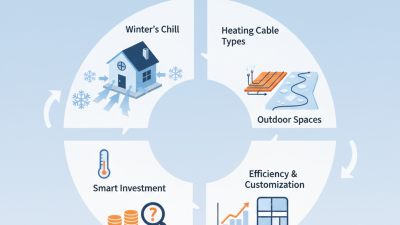
The use of heating cables has transformed the way we approach temperature management in various applications. According to industry expert Dr. John Smith, “Heating cables are essential for ensuring safety and efficiency in challenging environments.” These cables not only provide warmth but also serve crucial functions in areas such as freeze protection and livestock care.
Heating cables offer numerous benefits. They enhance energy efficiency, reducing overall heating costs for homes and businesses. Additionally, they provide reliable performance in harsh weather, safeguarding pipes and other vulnerable structures. Users can also appreciate the ease of installation and maintenance of heating cables.
However, some might overlook the importance of selecting the right type of heating cable. Not all applications require the same specifications. There can be challenges in understanding which features to prioritize based on specific needs. Awareness of these factors is vital for maximizing the benefits of heating cables.

Heating cables are gaining attention for their energy efficiency. According to a study by the International Energy Agency, buildings account for 30% of global energy use. By integrating heating cables, buyers can significantly reduce energy consumption. These cables efficiently transfer heat, minimizing waste. This efficiency leads to lower energy costs, benefiting both the environment and users' wallets.
Research suggests that heating cables can save up to 40% on energy bills compared to traditional heating methods. This metric is crucial for global buyers focused on sustainability. Moreover, the longevity of these systems impacts their overall effectiveness. Many heating cables last over 20 years with proper maintenance. This durability offsets initial investment costs, providing a long-term return on investment.
However, challenges exist. Many buyers may not fully understand the **installation** process. Proper installation is vital for maximizing energy efficiency. Insufficient knowledge can lead to problems down the line, impacting performance. Additionally, potential fluctuations in energy prices underscore the need for efficient heating solutions in a rapidly changing market. Understanding these complexities leads to better decision-making for global buyers.
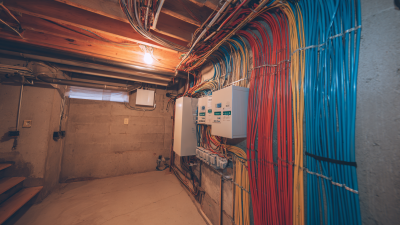
Heating cables are becoming essential due to their enhanced safety features. These cables provide reliable warmth in various applications, ensuring that environments remain safe. For instance, in icy conditions, heating cables can prevent ice buildup on rooftops and walkways. This reduces slip hazards, protecting pedestrians and property.
Consider installing heating cables in areas prone to frost. They automatically activate based on temperature. This feature helps maintain safe conditions without manual intervention. Furthermore, these cables can be used in pipelines to prevent freezing. This is crucial for industries that rely on liquid transport.
Always test the safety features before installation. Check for proper insulation and grounding. Reliable cables should be water-resistant and durable. Regular maintenance is necessary to ensure safety standards are met. Evaluate the environment where the cables will be installed. This reflection ensures optimal performance and safety in your specific context.
Heating cables have proven to be essential across various sectors. Their adaptability makes them valuable for both commercial and industrial applications. For instance, a report by the International Energy Agency indicated that effective heating solutions can reduce energy consumption by 30% in certain environments.
In agriculture, heating cables help maintain optimal soil temperatures. This can enhance crop yields significantly. The use of heating cables in greenhouses has increased productivity by up to 40%. Similarly, in the construction industry, they are crucial for preventing ice formation on rooftops and pathways. In cold climates, these systems help ensure safety and accessibility.
However, challenges remain. Not all heating cable installations are equally efficient. Proper design and installation are crucial for achieving desired outcomes. In some cases, a mismatch between the heating cable's capacity and the environment can lead to suboptimal results. Continuous monitoring of performance is needed. This ensures that the energy savings and efficiency benefits are fully realized in practical applications.
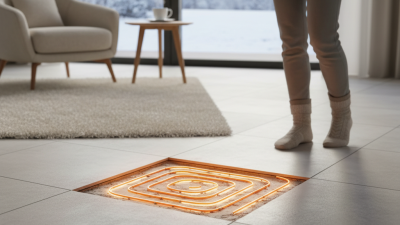
Heating cables provide an efficient solution for temperature maintenance. Their installation can seem daunting at first. However, the affordability of long-term usage outweighs initial challenges. Unlike traditional heating systems, heating cables are designed for direct application in various environments. They offer precise temperature control, ensuring optimal energy consumption.
Cost-effectiveness is crucial for budget-conscious buyers. By reducing energy waste, heating cables can lower utility bills significantly. The upfront investment is balanced by long-term savings. These cables are also durable, with many lasting over 20 years with proper care. The reduced need for repairs and replacements contributes to their affordability.
Buyers should also consider installation costs. Professional installation can add to expenses, but improper setup may lead to inefficiencies. It's important to make careful decisions. Evaluate the specific heating needs of your space. In the end, while heating cables require contemplation and investment, their long-term financial benefits and efficiency make them a wise choice.
Heating cables offer significant advantages, especially regarding environmental impact and sustainability. These systems can reduce energy consumption by providing targeted heating where needed. According to a report by the U.S. Department of Energy, efficient heating solutions can cut energy use by up to 30%. Such reductions are important as they help minimize greenhouse gas emissions.
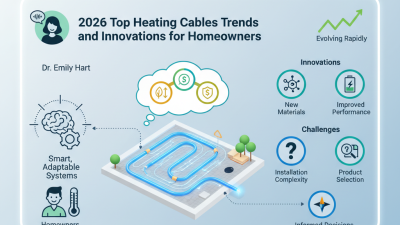
One compelling aspect of heating cables is their potential to integrate with renewable energy sources. Using solar or wind energy can further enhance their sustainability footprint. With advancements in smart technology, these cables can also adjust to temperature changes, optimizing energy use while maintaining comfort. However, it’s essential to consider the materials used in their production. Some heating cables may be manufactured from non-recyclable plastics, raising concerns about long-term environmental impact.
**Tip:** To maximize sustainability, choose heating cables made from recyclable or eco-friendly materials. Research the manufacturing practices of suppliers to ensure they prioritize environmental responsibility.
Education is crucial. Buyers should be aware of the lifespan of heating cables. While they can be durable, improper installation or overloads may lead to premature failures. This situation can increase waste and carbon footprints. Exploring options that emphasize quality and performance is vital to making an informed decision.
| Benefit | Description | Environmental Impact | Sustainability Aspect |
|---|---|---|---|
| Energy Efficiency | Heating cables reduce energy consumption by providing targeted heat. | Less energy consumption leads to fewer greenhouse gas emissions. | Utilizing energy-efficient heating methods contributes to long-term sustainability. |
| Versatility | Can be installed in various applications, including roofs and floors. | Adaptable solutions reduce the need for additional heating sources. | Support for diverse installations promotes resource efficiency. |
| Consistency in Temperature | Provides stable heating throughout the area in use. | Improved performance reduces energy waste and overheating risks. | Maintaining optimal temperatures aids in energy conservation. |
| Reduced Snow and Ice Buildup | Prevents accumulation on roofs and driveways, reducing hazards. | Less reliance on chemical de-icers minimizes environmental harm. | Eco-friendly alternatives to traditional snow removal practices. |
| Durability | Designed to withstand harsh conditions and long-term use. | Reduces the frequency of replacements and resource use. | Longer lifespan supports sustainability practices. |
| Low Maintenance Requirements | Requires minimal upkeep, reducing labor and resource costs. | Less maintenance means fewer materials consumed over time. | Efficient use of resources aligns with sustainable practices. |
| Improved Safety | Reduces slip and fall accidents during winter conditions. | Maintenance of safe environments can lower accident rates. | Supports a culture of safety and well-being in communities. |
| Control and Automation | Integration with smart home systems for optimized usage. | Controlled heating minimizes unnecessary energy expenditure. | Smart technology supports sustainable living practices. |
| Environmental Compliance | Manufacturing often meets environmental standards and regulations. | Compliance with regulations reduces ecological footprints. | Promotes a culture of responsibility within the industry. |
| Cost-Effectiveness | Saves on energy bills and maintenance costs over time. | Long-term financial savings lower overall environmental impact. | Financially sustainable choices encourage eco-friendly transitions. |