2026 Top Trends in Cast Nozzle Heater Technology and Innovations
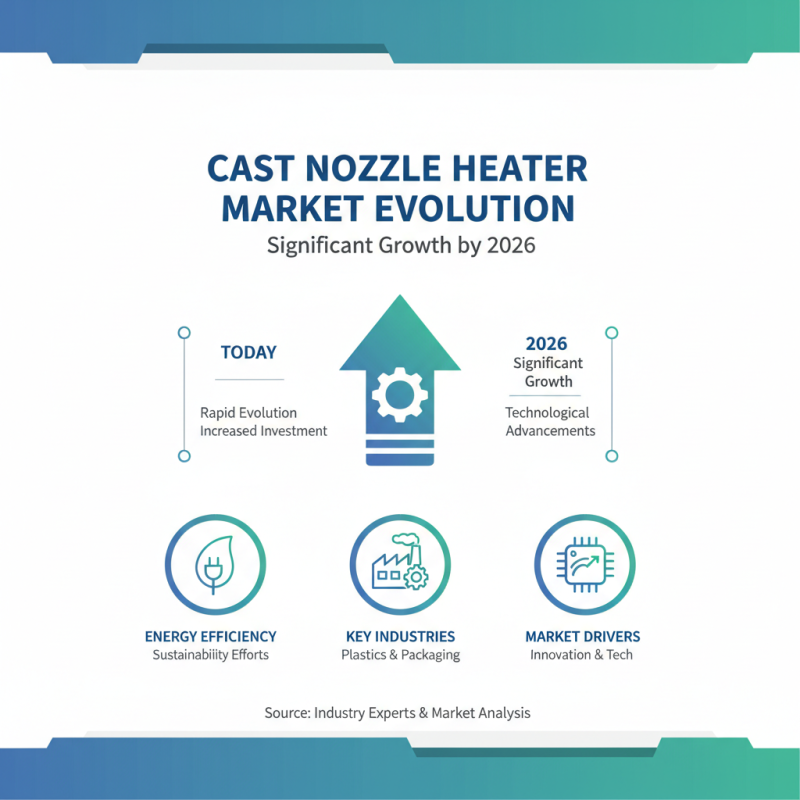
The world of Cast Nozzle Heater technology is rapidly evolving. Industry reports indicate a predicted growth rate of 7.5% annually through 2026. This reflects a heightened demand for efficiency and innovation in heating solutions. As manufacturers seek to enhance productivity, the role of advanced heating elements becomes crucial.
According to Dr. Emily Zhang, an expert in thermal engineering, "Cast Nozzle Heaters are pivotal for energy conservation in various applications." Her insights emphasize the importance of integrating smarter designs and materials to meet the industry standards. Yet, challenges remain. Despite advancements, some products struggle with inconsistent heating profiles and durability issues. Companies must address these flaws to maintain competitiveness in a demanding market.
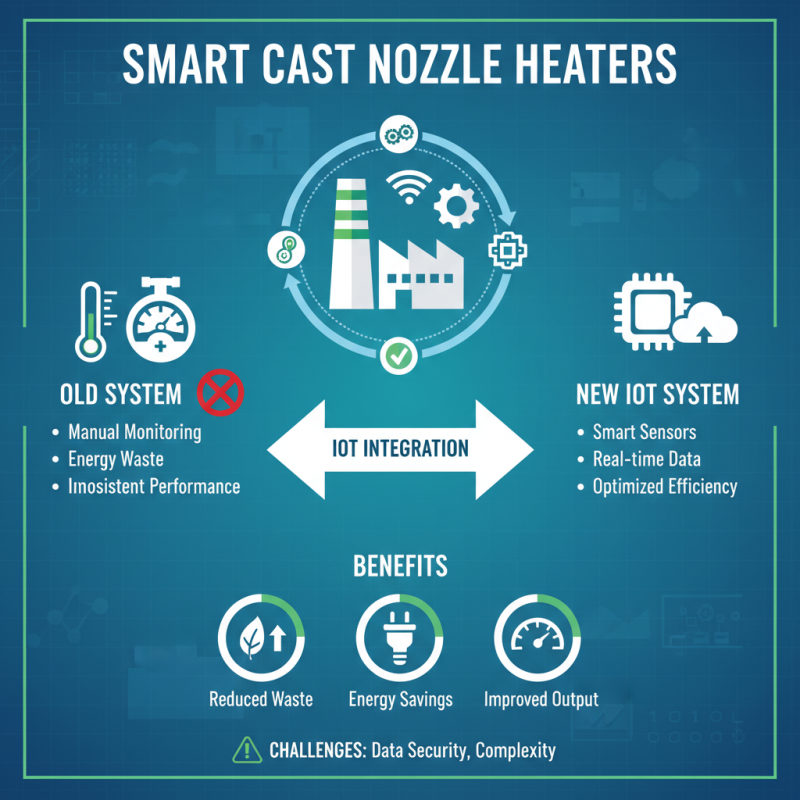
The integration of IoT in Cast Nozzle Heater technology shows promise. It allows for real-time monitoring and optimization. However, the implementation is often met with resistance due to costs. Balancing innovation with affordability is essential. As we explore the top trends for 2026, a reflective approach will reveal both the advancements and the obstacles that industry players face.
Top Innovations in Cast Nozzle Heater Design for Enhanced Efficiency
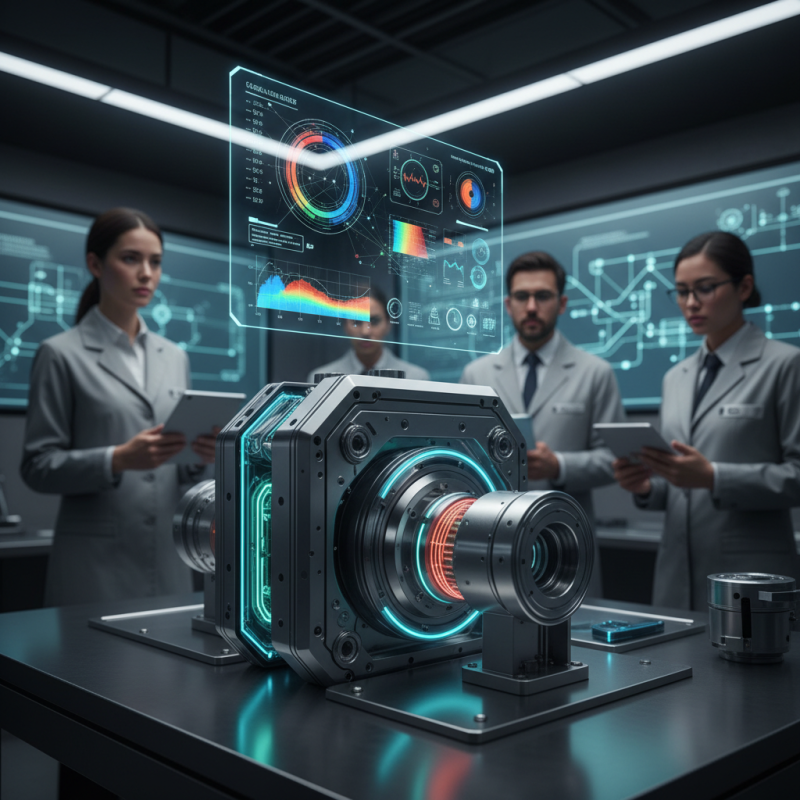
The future of cast nozzle heater design is brimming with exciting innovations aimed at improving efficiency. Enhanced thermal conductivity materials are at the forefront. These materials can optimize heat distribution and minimize energy loss. They promise to deliver superior performance under high demand.
Another key development is the integration of smart technology. Sensors embedded in the heaters provide real-time data on temperature and energy usage. This information allows for precise adjustments during operation. Users can achieve better consistency and reduce waste. However, the challenge remains in ensuring these systems are user-friendly.
Design innovations also emphasize compactness without sacrificing performance. Streamlined shapes can fit into tighter spaces, catering to various applications. Yet, designers face hurdles in balancing size and efficiency. Feedback from users is crucial in refining these designs. The goal is to create devices that not only perform well but are also easier to install and maintain.
2026 Top Trends in Cast Nozzle Heater Technology and Innovations
| Trend |
Description |
Efficiency Improvement |
Expected Impact |
| Enhanced Heat Transfer Materials |
Development of advanced alloys and composites that offer better thermal conductivity. |
Up to 25% increased efficiency. |
Improved energy savings and reduced operational costs. |
| Smart Heating Controls |
Integration of IoT technology for real-time monitoring and adjustments. |
Enhancement of efficiency by 15% through automation. |
Optimized performance and reduced energy waste. |
| Modular Design |
New designs allow for easy upgrades and maintenance. |
Up to 20% efficiency improvement due to better heat management. |
Reduced downtime and lower maintenance costs. |
| Sustainable Manufacturing Practices |
Adoption of eco-friendly materials and recyclable components. |
Minimized carbon footprint, promoting energy efficiency. |
Positive impact on environmental sustainability. |
Impact of Advanced Materials on Cast Nozzle Heater Performance Metrics
Advanced materials are reshaping the landscape of cast nozzle heaters. By incorporating lightweight composites and high-performance ceramics, manufacturers can enhance durability. High-temperature resistance is crucial. These materials can withstand extreme conditions, improving lifespan and reducing maintenance needs.
Moreover, thermal conductivity plays a vital role in performance. Efficient heat transfer leads to better temperature uniformity. Innovative materials possess superior thermal properties. They minimize energy loss, ensuring that more heat is directed to the process. This efficiency can lead to significant cost savings.
However, the integration of new materials comes with challenges. The cost of advanced materials can be high. There may also be a learning curve for manufacturers. They must adapt to new production techniques. Despite these hurdles, the benefits of improved performance metrics are compelling. Resilience and cost-effectiveness must be balanced for future innovations.
Integration of IoT Technology in Cast Nozzle Heater Systems
The integration of IoT technology in cast nozzle heater systems is revolutionizing the industry. These systems now feature smart sensors that continuously monitor temperature and performance. This real-time data helps in optimizing energy consumption, reducing waste, and improving overall efficiency. However, the implementation of IoT comes with challenges.
Connecting devices often leads to data overload. Too much information can confuse operators and hinder decision-making. Moreover, the security of these IoT systems raises concerns. Cybersecurity threats can compromise sensitive data and disrupt operations. Manufacturers must navigate these risks carefully as they adopt new technologies.
Incorporating IoT also invites questions about reliability. How will these systems perform in extreme conditions? Will they withstand the demanding environments where cast nozzle heaters operate? Testing and validation processes may need to be more rigorous. Tackling these issues will be crucial for a successful implementation of IoT in cast nozzle heater systems. The future is promising, but challenges remain.
Sustainability in Cast Nozzle Heater Manufacturing: Eco-Friendly Practices
Sustainability is vital in modern manufacturing. Cast nozzle heater production must embrace eco-friendly practices. Materials should be recyclable whenever possible. This reduces waste and conserves resources.
Choosing energy-efficient heating methods is essential. Electric heaters can minimize energy consumption. Renewable energy sources, like solar or wind, can power manufacturing plants. This transition is not always easy; it requires investment and planning. However, the long-term benefits outweigh the challenges.
Tips: Consider local supply chains to reduce transportation emissions. This can also support local economies. Regular audits of manufacturing processes can uncover areas for improvement.
Small changes often lead to significant results over time. The journey to sustainability is ongoing; reflection and adjustment are key.