2026 Best Coil Heater Trends at Canton Fair 139th Edition?
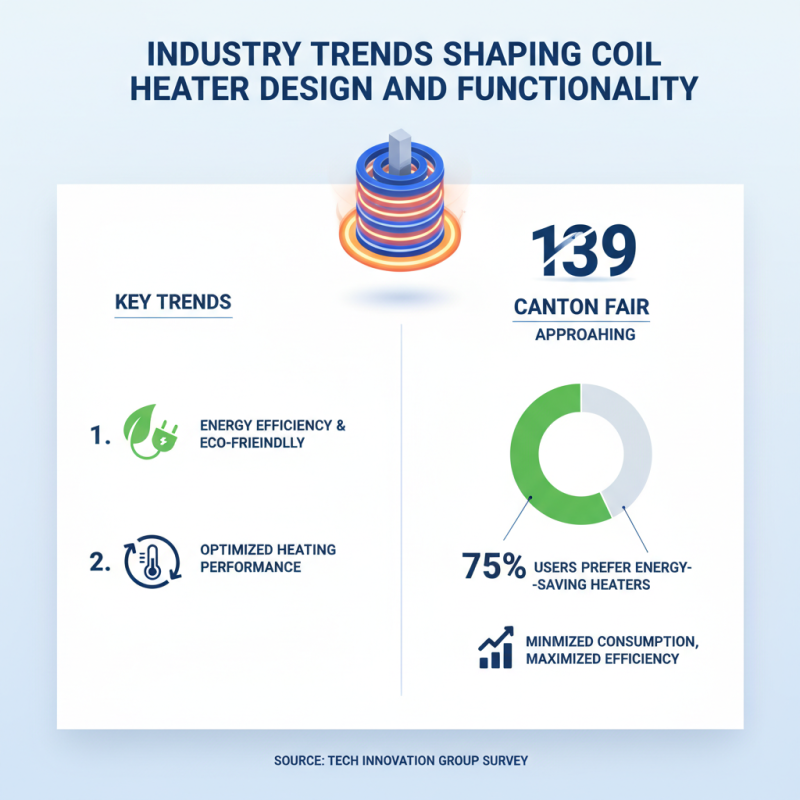
The 139th Canton Fair promises to feature exciting trends in coil heaters. Scheduled from April 15 to May 5, 2026, this fair highlights innovative manufacturing techniques and advanced technologies. The coil heater segment is expected to showcase cutting-edge designs and applications.
Visitors can witness the evolution of coil heaters, focusing on energy efficiency and smart applications. Manufacturers will display their latest models, including those with enhanced thermal performance and user-friendly features. AI-driven search tools will help buyers find suppliers with the right certifications, like ISO and CE, ensuring product quality.
However, the industry still faces challenges. Not all coil heater designs meet the latest standards. Some products may lack durability and energy efficiency. As manufacturers push for innovation, they must reflect on these shortcomings. Exhibitors and buyers alike must remain vigilant in demanding high-quality and sustainable solutions in coil heaters.
Top Innovations in Coil Heater Technology at Canton Fair 2026
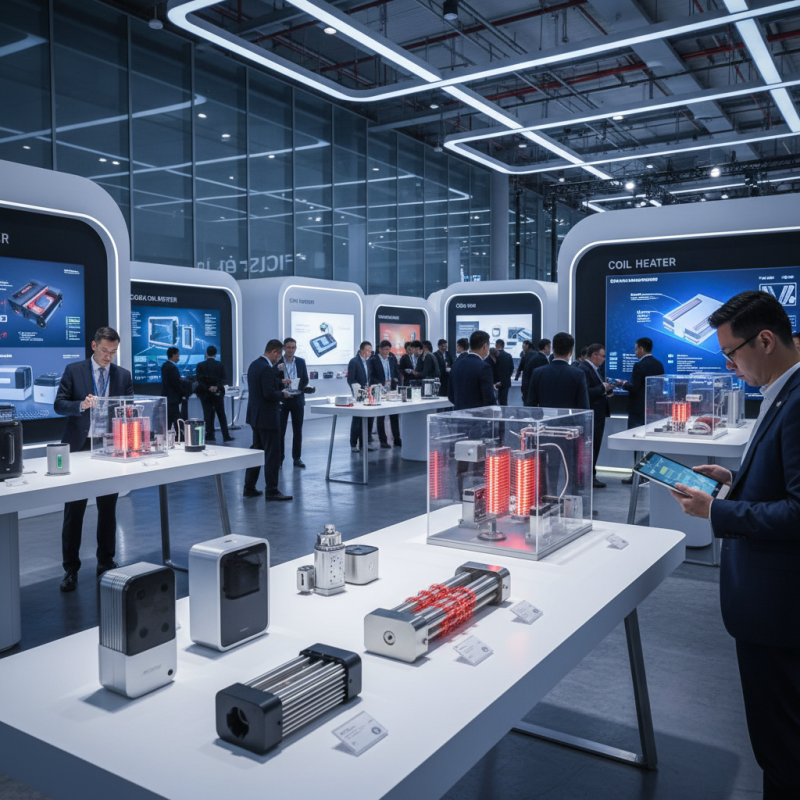
The 139th Canton Fair in 2026 showcased remarkable advancements in coil heater technology. Innovators displayed designs that promise improved efficiency and durability. Lightweight materials caught the eye, offering portability for various applications. These enhancements could optimize industrial processes significantly.
One standout trend was the integration of smart technology. Coil heaters equipped with sensors provide real-time data about temperature and energy consumption. This feature sparks conversations on sustainability. However, not every prototype functioned perfectly. Some designs faced minor glitches during demonstrations, reminding everyone of the challenges in tech integration.
Another notable aspect was the focus on customization. Manufacturers presented modular coil heaters, allowing users to tailor their systems. Yet, this approach raised questions about standardization in the industry. Striking a balance between customization and uniformity will be essential. Overall, the event highlighted both breakthroughs and ongoing challenges in coil heater technology.
Key Features of the Latest Coil Heaters on Display
The 139th Canton Fair showcases the latest coil heaters. Manufacturers are pushing the envelope with innovation. Trends indicate a strong demand for energy-efficient models. According to a report by MarketsandMarkets, the heating element market is projected to reach $5.1 billion by 2026. This growth reflects a shift towards sustainable heating solutions.
Key features of the latest coil heaters include lightweight designs and compact sizes. Many models now integrate smart technology. Users can control thermostats via mobile apps. This feature enhances convenience but raises concerns about privacy and cybersecurity. Reliability of these technologies is still a question worth exploring.
Durability remains a concern. While many new coil heaters are built with advanced materials, long-term testing is essential. Users report mixed experiences with performance over time. Overall, the trends at this year's Canton Fair highlight a dynamic industry that is evolving quickly. However, the balance between innovation and reliability needs ongoing attention.
Comparative Analysis of Coil Heater Brands at the Fair
The 139th Canton Fair showcases exciting trends in coil heaters, attracting various manufacturers and buyers. A comparative analysis reveals significant brand differences in performance and innovation. For instance, industry reports suggest that energy efficiency is paramount, with 70% of modern buyers prioritizing this feature.
Performance metrics differ widely across brands. Some exhibit heating efficiency ratings as high as 95%. In contrast, other models lag with only 80% efficiency. Notably, user feedback indicates that ease of installation also varies. Many prefer heaters that require simpler setups, as complex installations deter potential buyers. Finding a balance between efficiency and usability remains a challenge.
Innovation cannot be overlooked. Emerging technologies like smart controls and temperature regulation catch consumer interest. However, only a few brands fully embrace these advancements. Many participants express frustration over limited options with these features. As trends evolve, companies must adapt to stay competitive. The need for constant improvement in both product offerings and customer satisfaction is crucial.
Future Prospects for Coil Heaters in Various Applications
The future of coil heaters looks bright across various applications. These devices are critical in many industries, including manufacturing and food processing. As technology evolves, coil heaters are becoming more efficient and versatile. Lightweight materials and improved designs enhance their performance. They can now integrate seamlessly into complex systems.
In the automotive sector, for example, coil heaters are used for cabin heating and engine warming. Engineers are exploring new configurations to optimize energy use. Challenges remain, however. Not every design meets performance expectations. In some instances, efficiency falls short, raising questions about future developments.
Healthcare applications are another promising area. Coil heaters can aid in medical equipment sterilization. This presents opportunities to innovate, yet it requires meticulous standards. Failure to meet safety regulations can have serious consequences. As the market for coil heaters expands, continuous improvement becomes essential. Adapting to industry needs is crucial for sustained growth.